Unpacking Tiered Access Protocols Linking Digital Wallet Transfers to Multi-Device Live Table Qualifications in Emerging Markets
Frankie Lang · Jul 27, 2026
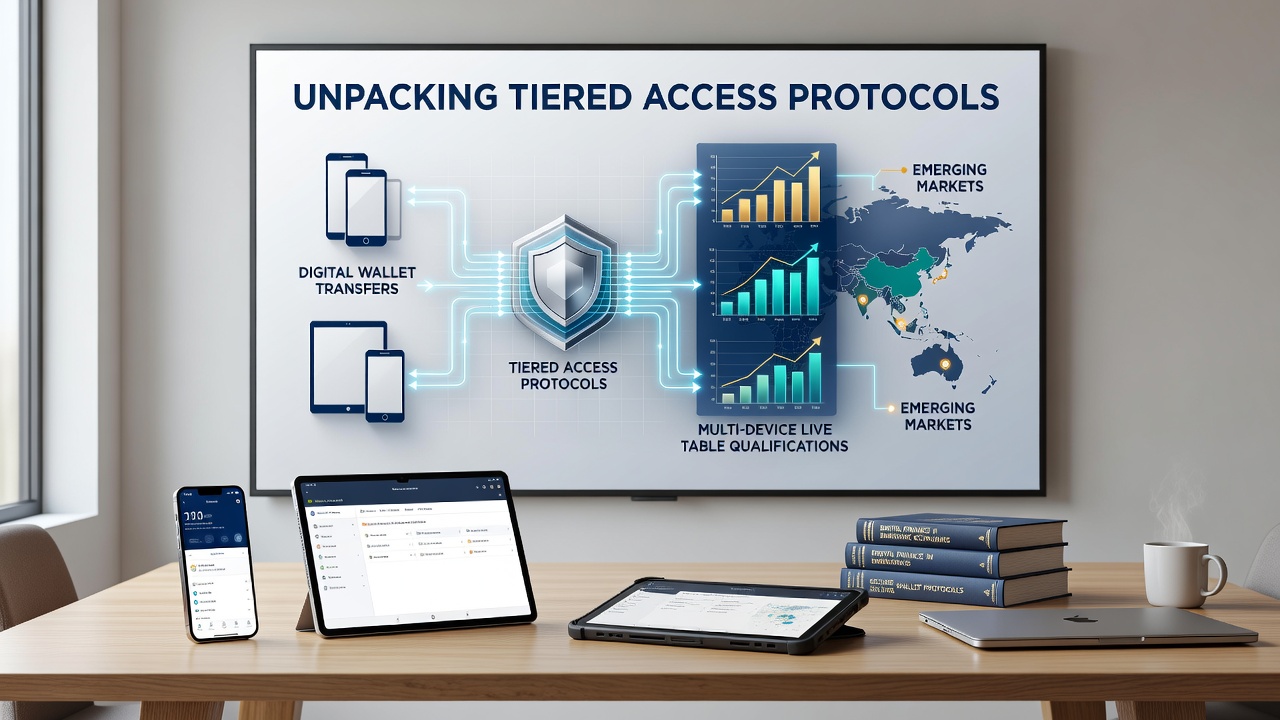
Unpacking Tiered Access Protocols Linking Digital Wallet Transfers to Multi-Device Live Table Qualifications in Emerging Markets
Digital wallet transfers now connect directly to tiered access systems that determine eligibility for live table games on smartphones, tablets, and other portable devices throughout emerging markets, and operators in regions such as Southeast Asia, Latin America, and parts of Africa have implemented these protocols to manage player progression based on transaction history, frequency, and volume.
How Tiered Protocols Operate in Practice
Entry-level access typically requires a single verified wallet transfer above a set threshold, while higher tiers unlock additional live dealer tables, higher betting limits, and multi-device synchronization features that allow seamless transitions between handheld and stationary screens. These structures rely on automated verification that cross-checks wallet data against regulatory compliance records, and systems in markets like Brazil and Nigeria have expanded such linkages since 2024 to accommodate growing mobile penetration rates.
Data from regional payment processors shows that wallet-based qualifications increased live table participation by measurable margins in 2025, and similar patterns appear in reports covering the first half of 2026. As of July 2026, several platforms reported that over 60 percent of new live table sign-ups originated from wallet-initiated tier advancements rather than traditional account funding methods.
Multi-Device Integration and Qualification Pathways
Live table qualifications tied to wallet activity extend across devices through cloud-synced profiles that track cumulative transfers and session consistency, which enables players to maintain tier status whether they switch from a mobile app to a tablet interface mid-session. Protocols enforce device authentication at each tier boundary, and this setup reduces unauthorized access while supporting real-time balance updates from linked wallets.
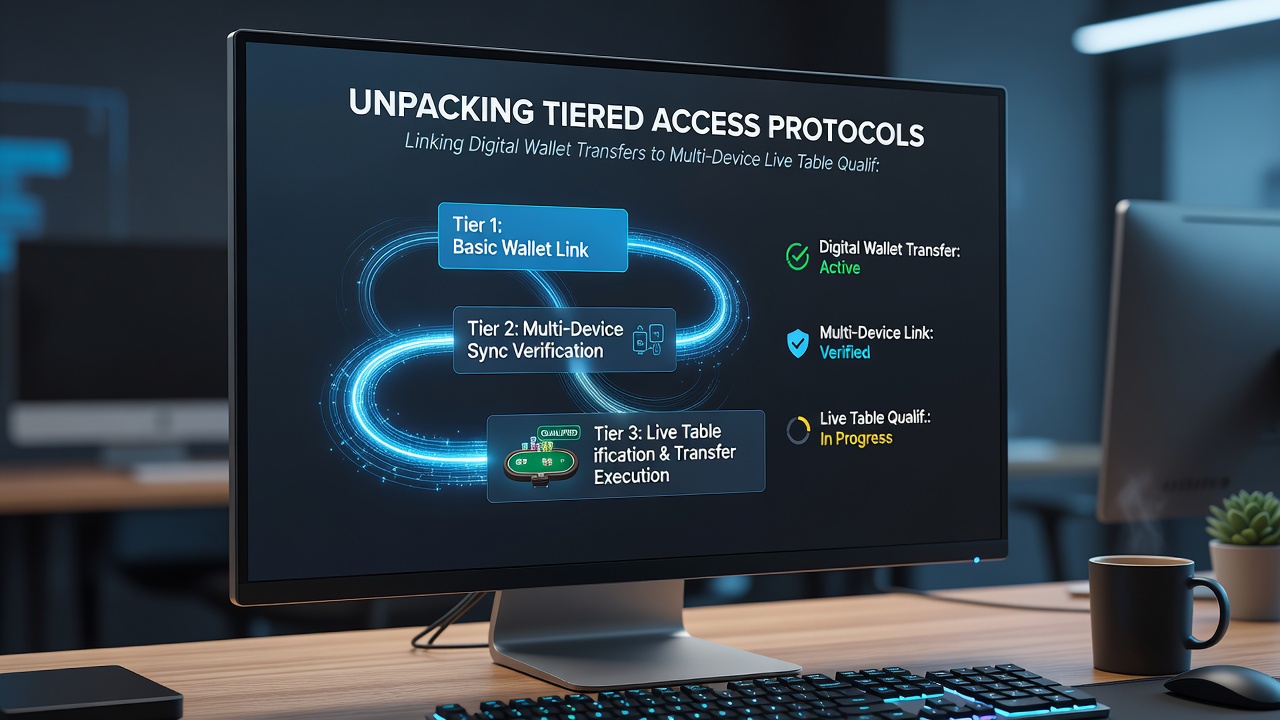
Industry analyses indicate that emerging market operators prioritize these integrations because mobile devices account for the majority of live table traffic, and wallet transfers provide auditable trails that align with local financial regulations. One documented case in a Southeast Asian jurisdiction revealed that tiered wallet qualifications reduced account verification processing times by linking directly to existing digital payment rails already used for remittances.
Regional Variations and Data Trends
According to a World Bank digital finance overview, wallet adoption in low- and middle-income economies reached 52 percent of adults by late 2025, which created infrastructure that gaming platforms could leverage for tiered qualifications. In contrast, Latin American markets have seen faster rollout of multi-device live table access because regulatory sandboxes permitted pilot programs linking e-wallets to gaming accounts earlier than in other regions.
Research compiled by the Asian Gaming and Entertainment Association tracks how wallet volume thresholds correlate with qualification rates across five emerging jurisdictions, and those figures reveal that players completing three or more qualifying transfers within a 30-day window advance to mid-tier status at roughly twice the rate of single-transfer users. Observers note that such metrics help platforms allocate server resources for live dealer tables more efficiently during peak mobile hours.
Additional studies from academic sources, including a 2025 paper issued by the University of Cape Town's Centre for Digital Finance, examined similar protocols in sub-Saharan markets and found that device-agnostic qualification reduced drop-off rates between registration and first live table session. These findings align with operational data shared at industry forums held in early 2026.
Technical and Compliance Considerations
Backend systems that connect wallet transfers to tier status employ API endpoints that pull transaction metadata in real time, then apply rule sets based on amount, frequency, and source country compliance flags. Multi-device support requires token-based session management that preserves qualification status across operating systems, and operators report that these measures have lowered support ticket volumes related to access disputes.
Emerging market regulators have begun issuing guidance on how such linkages must handle data privacy and anti-money laundering checks, and several jurisdictions now require periodic audits of the algorithms that determine tier progression. This regulatory attention coincides with broader digital payment growth documented in July 2026 updates from regional central banks.
Conclusion
Tiered access protocols that link digital wallet transfers to multi-device live table qualifications continue to shape participation patterns in emerging markets through automated verification, cross-device synchronization, and volume-based advancement rules. Available data from payment processors, regulatory bodies, and academic reviews indicate steady expansion of these systems into 2026, with measurable effects on player progression and platform operations across multiple regions.