Uncovering the Dynamics of Cross-Platform Progression Systems in Chance-Based Digital Experiences
Frankie Lang · Jul 22, 2026
Uncovering the Dynamics of Cross-Platform Progression Systems in Chance-Based Digital Experiences
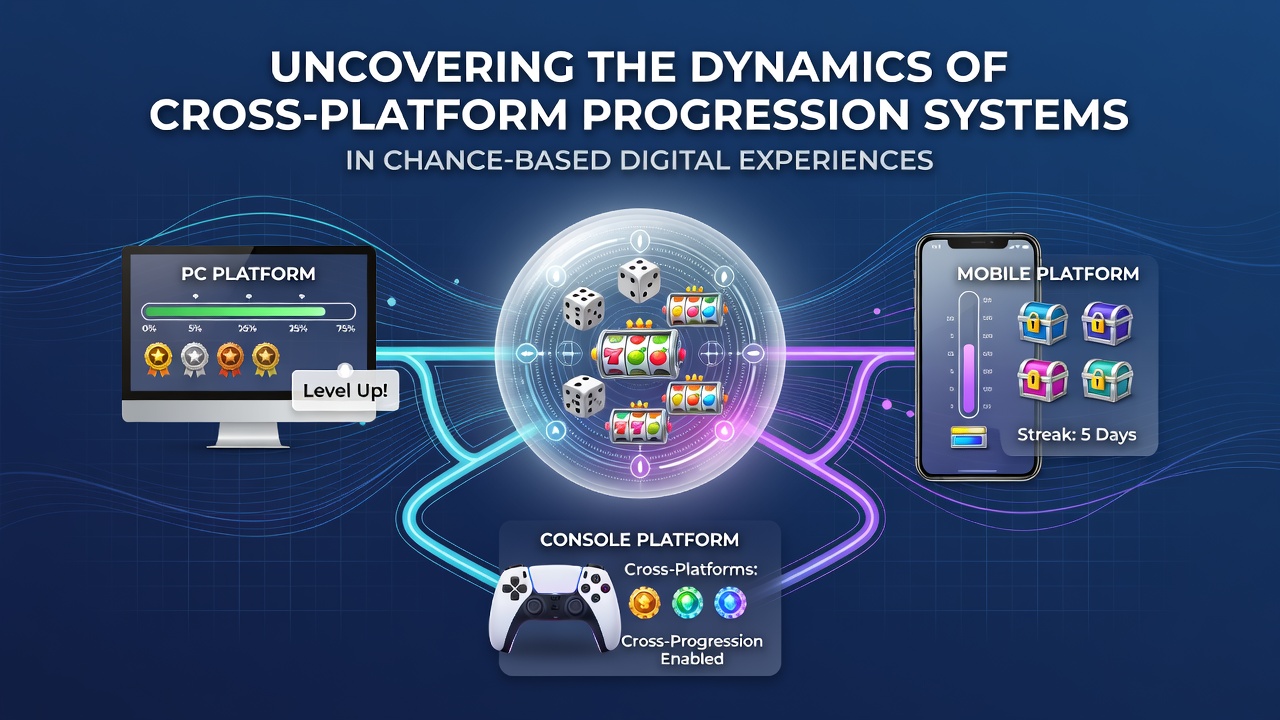
Observers note that cross-platform progression systems allow users to maintain levels, rewards, and achievements across devices in experiences built around random outcomes, and these frameworks have expanded significantly by July 2026 as developers integrate cloud-based tracking with mobile, desktop, and console environments. Data from industry reports indicates that synchronization occurs through centralized servers where user accounts store progression metrics such as experience points, unlockable items, and streak multipliers earned via randomized events, which means a player advancing through a session on a smartphone can continue from the same point on a tablet without resetting accumulated value.Core Mechanics Behind Synchronization
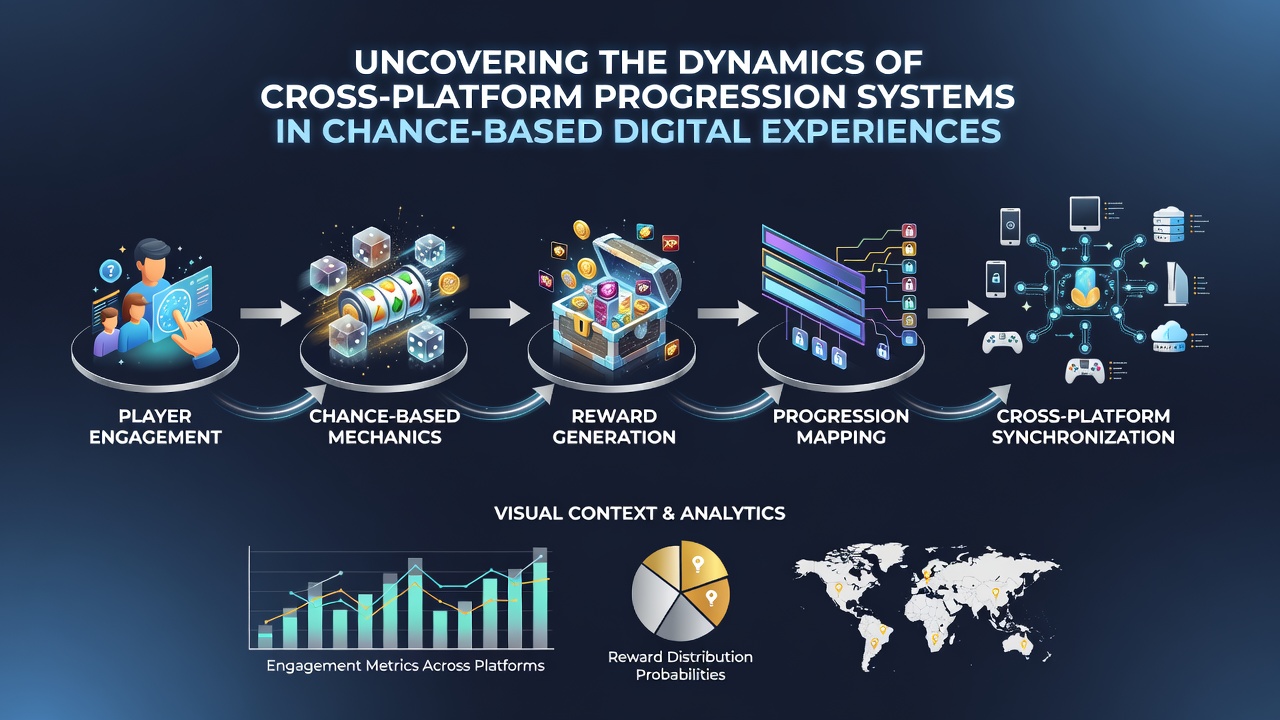
Developers implement these systems by linking device sessions to unique identifiers that pull data from shared databases, and this approach handles variables like probability tables for item drops or bonus triggers while preserving continuity. Research from the Australian Institute of Family Studies shows that progression often ties into layered reward structures where random events feed into persistent profiles, allowing multipliers or tiered statuses to carry over and influence future chances. Those who study these patterns find that APIs manage real-time updates so that a completed challenge on one platform immediately reflects in another, reducing fragmentation while maintaining the core element of unpredictability in outcomes.
Technical Implementation Across Devices
Engineers rely on secure authentication protocols combined with data replication techniques to ensure consistency, and this setup accommodates different screen formats along with input methods without altering the underlying chance calculations. Figures from the European Gaming and Betting Association reveal that companies deploying these features track millions of daily sync events, where elements such as virtual currency balances or achievement badges update across sessions. What's interesting is how developers balance latency issues during transfers by using predictive caching that anticipates user movement between platforms, which keeps the flow uninterrupted even when network conditions vary.
Impact on User Engagement Patterns
Studies indicate that cross-platform features influence how participants distribute their activity over time, and data shows increased session lengths when rewards remain accessible regardless of device choice. One analysis of digital chance environments found that users who engage across multiple platforms tend to complete more progression milestones because the system eliminates barriers like starting over on a new screen. Observers have documented cases where integrated leaderboards display combined statistics from all devices, creating unified competition that draws from every random outcome generated during play.
Challenges in Maintaining Fair Chance Elements
Ensuring that random number generation remains consistent across platforms presents technical hurdles, and developers address these by standardizing algorithms on backend servers rather than local devices. Reports from the National Council on Problem Gambling highlight that progression tracking must account for regional regulations on probability disclosure, which affects how visible the odds appear during cross-device transitions. Those who've examined implementation logs note that audit trails help verify that no platform gains an unintended advantage in outcome distribution, preserving the integrity of the chance mechanics throughout the user journey.
Future Directions in July 2026 and Beyond
Current trends point toward deeper integration with emerging hardware, and industry data from mid-2026 shows growing adoption of blockchain elements for verifiable progression records that span ecosystems. Researchers continue to examine how these systems scale when new devices enter the market, focusing on compatibility layers that preserve historical achievements. The reality is that continued refinement of these frameworks depends on collaboration between platform holders and content creators to keep data flows reliable while adapting to evolving standards for transparency in randomized rewards.
Conclusion
Cross-platform progression in chance-based digital experiences operates through interconnected data systems that prioritize continuity and fairness, and evidence from regulatory and research bodies demonstrates steady growth in their deployment. These structures connect random outcomes to lasting profiles that function across varied hardware, supporting broader participation patterns. As technology advances, the emphasis remains on secure, synchronized frameworks that uphold the foundational dynamics of unpredictability and reward accumulation.