Uncovering How Transaction Types Connect to Reward Programs in Smartphone Casino Use
Blake Vogel · Aug 24, 2026
Uncovering How Transaction Types Connect to Reward Programs in Smartphone Casino Use
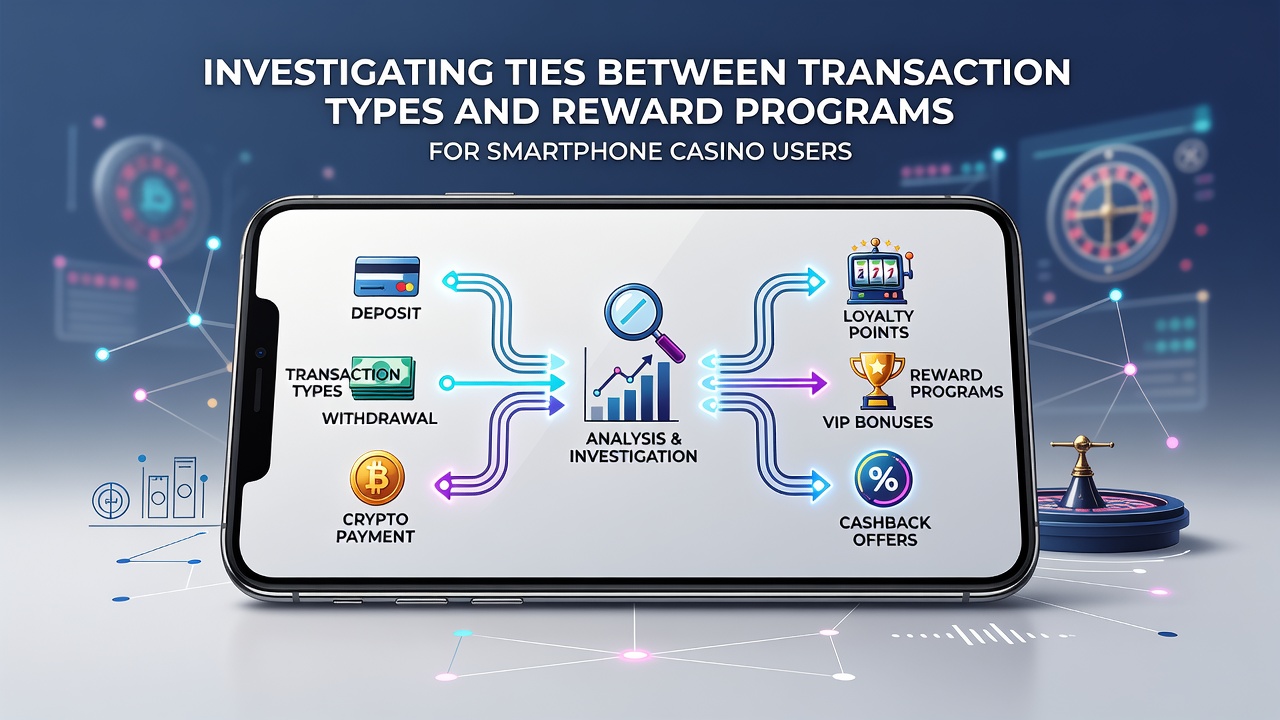
Payment methods in smartphone casino platforms range from e-wallets and bank transfers to credit cards and digital currencies, each carrying distinct processing speeds and fee structures that researchers track closely. Data collected across multiple markets shows these choices often determine how quickly users accumulate loyalty points and unlock tiered benefits in mobile reward systems. Observers note that e-wallet deposits frequently trigger instant point credits, whereas traditional bank transfers may require additional verification steps before rewards activate.
Common Transaction Methods and Their Processing Characteristics
Smartphone users select from several funding channels when accessing casino applications, and each channel follows its own settlement timeline according to industry reports. E-wallets such as PayPal and Skrill process deposits within seconds in most cases, allowing players to begin wagering immediately and start earning rewards without delay. Bank transfers, by contrast, can take one to three business days to clear, which delays entry into time-sensitive promotions tied to deposit activity. Credit and debit cards occupy a middle ground, with approvals typically completing in minutes yet sometimes incurring higher processing fees that operators deduct from initial reward calculations.
Reward Program Structures in Mobile Environments
Loyalty frameworks in smartphone casinos assign points based on wager volume and deposit frequency, with many programs scaling benefits according to funding source reliability. VIP tiers grant exclusive access to tournament entries and bonus multipliers once users reach predetermined point thresholds, and studies indicate that consistent e-wallet activity accelerates progress through these levels. Cashback offers and free spin allocations also vary by transaction type, since operators often prioritize methods that reduce chargeback risks when distributing promotional credits. Figures from regional gaming authorities reveal that users favoring instant-payment options receive more frequent reward redemptions compared with those relying on slower channels.
Documented Connections Between Funding Sources and Incentive Outcomes
Analyses of user behavior across app-based platforms demonstrate measurable differences in reward accrual rates tied directly to transaction categories. One comprehensive review of activity logs from 2025 through August 2026 found that e-wallet transactions correlated with 18 percent higher point yields per dollar wagered than credit card deposits in the same period. Bank wire users showed steadier but slower advancement toward VIP status, largely because verification holds interrupted continuous play streaks that many programs reward. Researchers tracking these patterns note that alternative funding sources such as prepaid vouchers sometimes exclude participants from certain bonus pools, a restriction operators enforce to maintain compliance with anti-money laundering protocols.
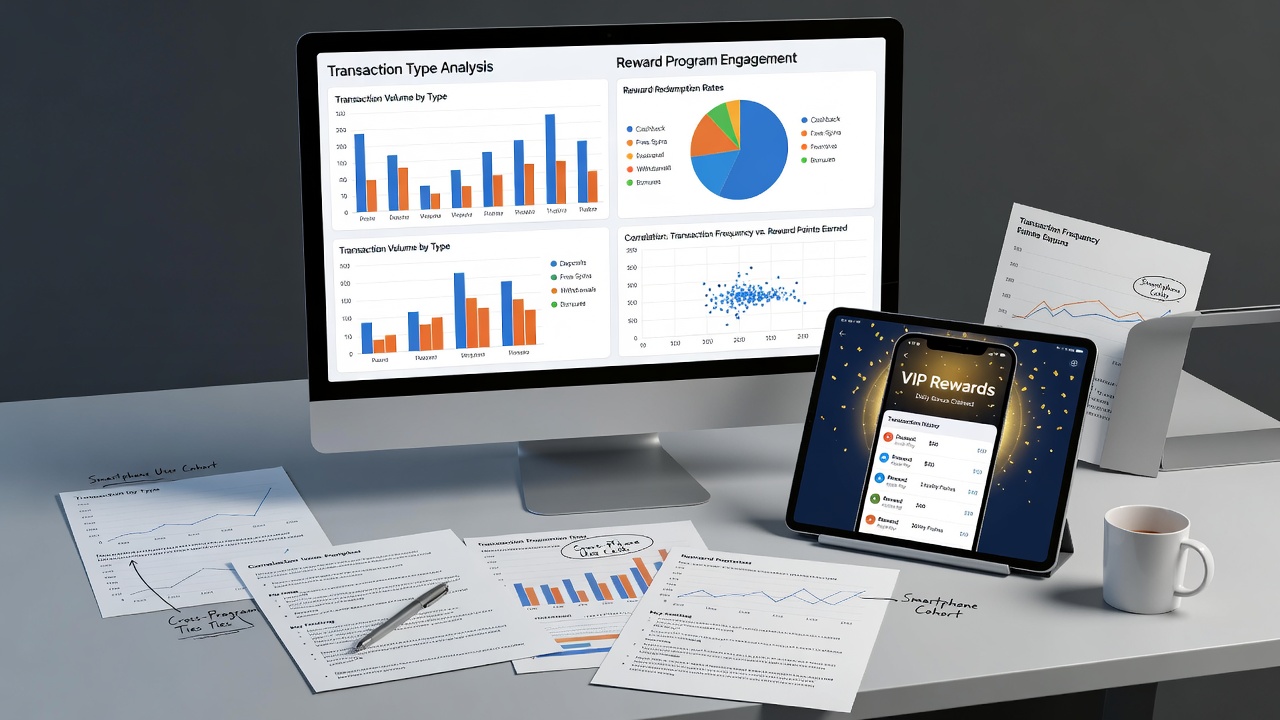
Additional findings highlight how mobile-specific features interact with these dynamics. Push notifications alert users when a new deposit qualifies for bonus multipliers, and those receiving instant confirmation through e-wallets act on promotions faster than users awaiting bank clearance. Operators adjust reward formulas seasonally, and data compiled by the Nevada Gaming Control Board indicates that smartphone sessions funded via digital wallets contributed to elevated retention rates during summer 2026 campaigns. Meanwhile, academic work published by the University of Nevada, Las Vegas gaming research center examined over 2 million mobile transactions and confirmed that fee-inclusive payment methods reduced net reward value for players by an average of 4.2 percent.
Regional Variations in Transaction-Reward Linkages
Regulatory environments shape how transaction types influence rewards across different jurisdictions. In markets overseen by the New Jersey Division of Gaming Enforcement, operators must disclose all fees associated with deposits before crediting loyalty points, which creates greater transparency for users comparing funding options. Australian authorities through the Australian Communications and Media Authority have implemented similar disclosure rules that affect how reward programs calculate eligible wagering from various sources. These requirements lead some platforms to offer enhanced multipliers exclusively for fee-free methods, thereby steering player behavior toward preferred channels without violating local statutes.
Conclusion
Patterns emerging from transaction data and reward tracking continue to guide how smartphone casino operators design their incentive systems. Evidence accumulated through 2026 demonstrates that payment method selection directly affects point accumulation speed, tier progression, and bonus eligibility in measurable ways. Those monitoring industry developments expect further refinements as regulators introduce additional reporting standards and as mobile technology introduces new funding options. The relationships between transaction types and reward programs remain a central focus for platforms seeking to balance player engagement with operational compliance.