Tracing User Flow Dynamics Between Automated Card Simulations and Reel Sequences via Multi-Channel Transaction Networks in Portable Formats
Frankie Lang · Jul 6, 2026
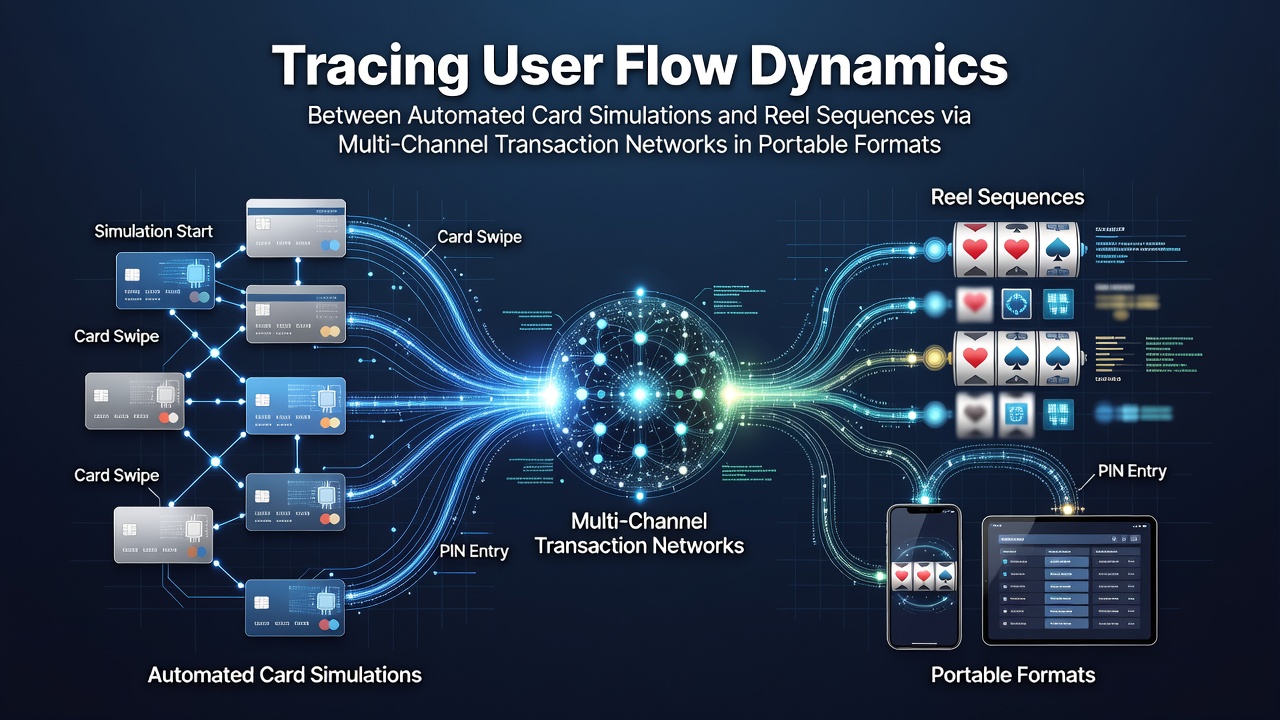
Tracing User Flow Dynamics Between Automated Card Simulations and Reel Sequences via Multi-Channel Transaction Networks in Portable Formats
Automated card simulations and reel sequences operate as distinct yet interconnected elements within portable casino platforms, where multi-channel transaction networks enable seamless movement between game types. Data from industry reports indicates that players initiate sessions through deposit methods such as bank transfers, digital wallets, and prepaid cards, each channel carrying unique processing speeds and verification requirements that influence subsequent game selection patterns.
Core Elements of Automated Card Simulations
Automated card simulations replicate table games like blackjack and poker through algorithmic dealing systems that run without live dealers, processing player decisions in real time on mobile applications. Research from the European Gaming and Betting Association shows these simulations account for a measurable portion of mobile session time, particularly when users access them immediately after completing a transaction via integrated payment gateways. The flow often begins with a deposit confirmation that unlocks the simulation interface, allowing quick entry into rounds that require minimal loading times compared to live dealer alternatives.
Reel Sequence Mechanics in Portable Environments
Reel sequences function through randomized symbol alignments on digital slot frameworks, with portable formats optimizing for touch-screen interactions and shorter spin cycles. Observers note that transitions from card simulations to reel sequences frequently occur when transaction networks support instant balance updates, prompting users to shift gameplay styles mid-session. Figures from the American Gaming Association reveal that such shifts correlate with the availability of multiple funding options, since users who employ e-wallet channels experience fewer interruptions during these changes than those relying on direct bank links.
Multi-Channel Transaction Pathways
Transaction networks in portable formats encompass several distinct channels, including credit card processors, cryptocurrency ledgers, and regional payment services that route funds into unified player accounts. Each pathway carries specific latency characteristics that affect how quickly users can move between automated card simulations and reel sequences. Studies compiled by Gambling Research Australia indicate that in July 2026, platforms reported elevated volumes of cross-game activity when users combined two or more channels within a single session, as this approach reduced friction during balance refreshes and game switches.
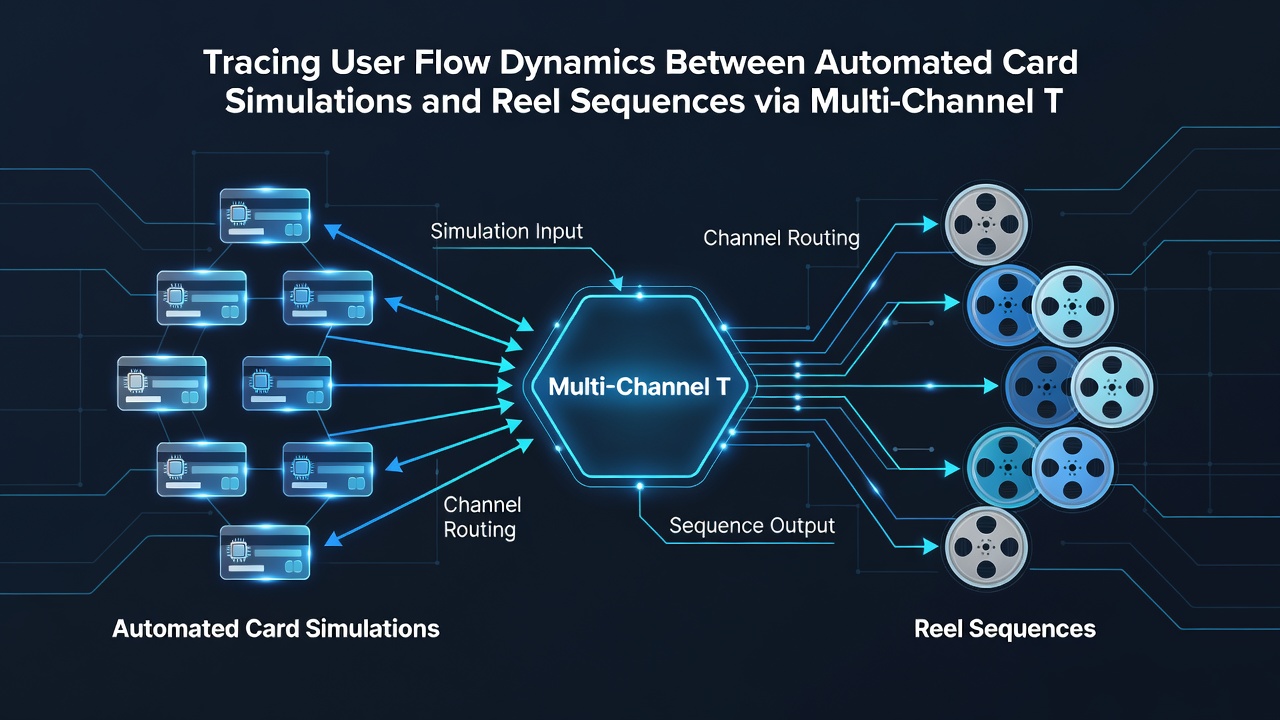
One documented pattern involves an initial deposit through a digital wallet that funds an automated card simulation, followed by a secondary transfer via prepaid card that supports extended play on reel sequences. Those who have analyzed transaction logs find that this combination maintains session continuity across both game categories without requiring full account re-verification at each step.
Observed Flow Dynamics in 2026 Data
Platform analytics from mid-2026 demonstrate that portable device users exhibit repeatable movement patterns between the two game types. Automated card simulations tend to serve as entry points for shorter, decision-heavy segments, while reel sequences capture longer stretches of automated play once initial transaction confirmations complete. Evidence suggests that networks supporting simultaneous channel access, such as those integrating both traditional cards and instant transfer services, facilitate higher rates of these transitions compared to single-channel setups.
Researchers have mapped instances where users begin with a card simulation funded by one method, pause to add funds through another channel, then proceed directly into reel sequences. This sequence appears consistently across multiple portable applications, with processing times under thirty seconds enabling the shift without noticeable breaks in engagement.
Technical Integration Points
Backend systems synchronize transaction confirmations with game state management, ensuring that balance changes propagate instantly across automated card and reel modules. Developers implement API connections that flag successful deposits and route users toward preferred game categories based on prior session data. Data indicates these integrations reduce drop-off rates during switches, particularly when portable formats incorporate cached transaction histories that eliminate repeated authentication prompts.
Regional variations emerge in channel preferences, with North American users showing higher reliance on credit processors while European sessions more frequently incorporate digital wallets. Such differences influence the speed of flow between simulations and sequences, as certain channels align better with the rapid spin mechanics of reels than with the turn-based structure of card simulations.
Conclusion
Tracing these dynamics reveals structured pathways shaped by transaction speed, channel variety, and platform architecture. Continued monitoring of portable formats in 2026 and beyond provides clearer metrics on how users navigate between automated card simulations and reel sequences, supported by evolving multi-channel networks that prioritize minimal disruption during gameplay transitions.