Tracing Tiered Membership Pathways to Specialized Table Variants on Portable Platforms
Blake Vogel · Jun 22, 2026
Tracing Tiered Membership Pathways to Specialized Table Variants on Portable Platforms
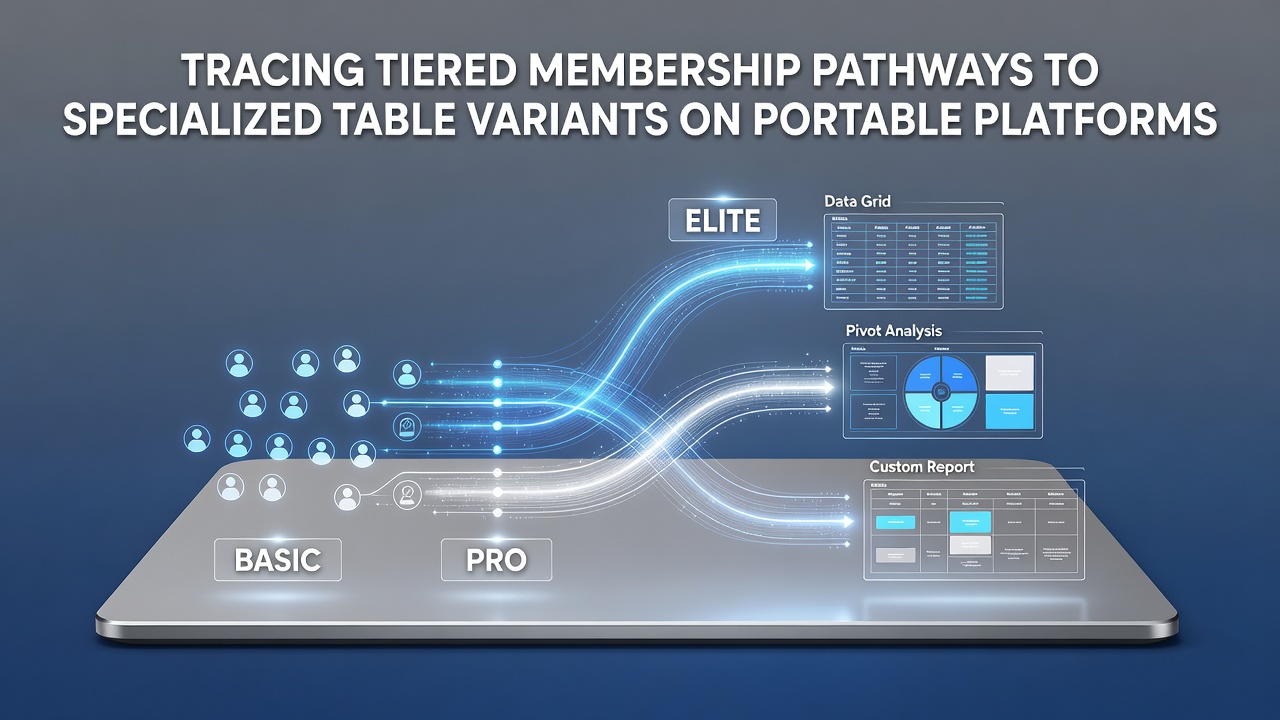
Portable platforms continue to reshape how players advance through casino membership structures toward exclusive table game options. Data from industry tracking services shows that mobile applications now handle over 65 percent of all online table game activity across regulated markets in North America and Europe as of early 2026. Those who study digital gaming ecosystems observe that tiered systems function as structured progressions where participation metrics unlock progressively specialized variants of games such as blackjack, roulette, and poker.
Core Components of Tiered Membership Systems
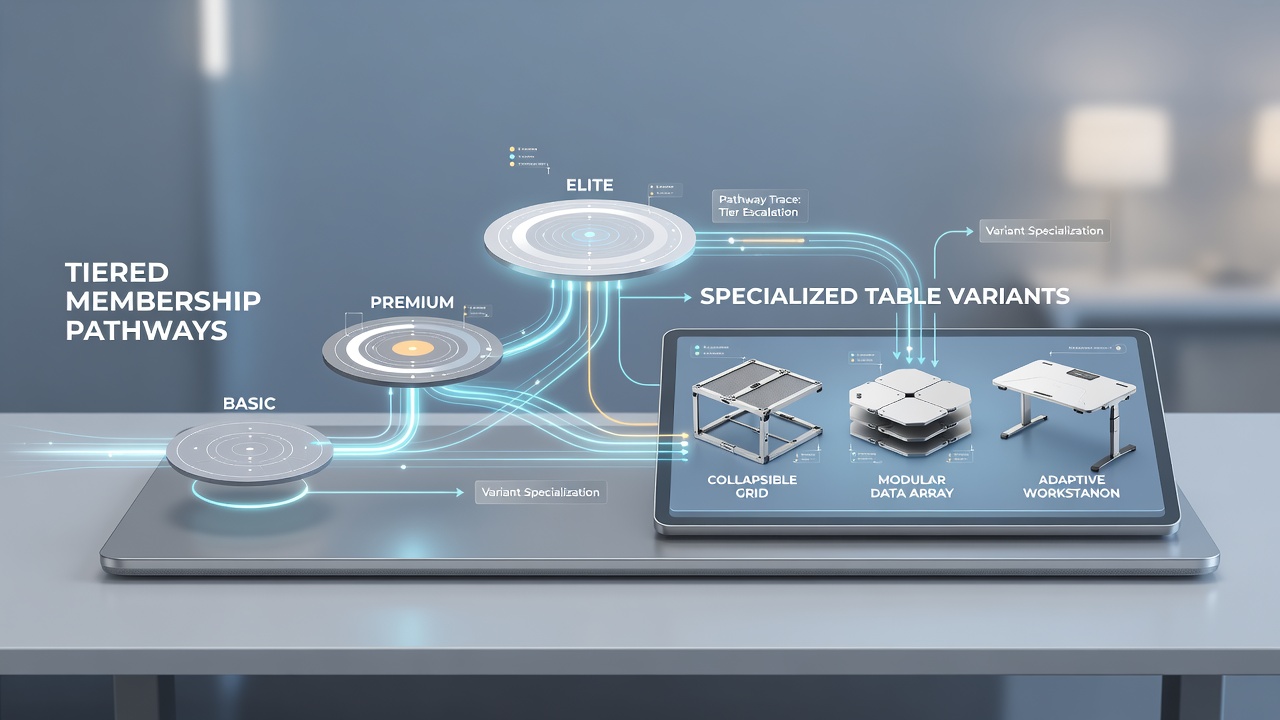
Membership pathways typically begin at entry-level status and advance through defined thresholds based on deposit frequency, play volume, and account tenure. Researchers at gaming analytics firms document that these tiers incorporate specific criteria including minimum monthly activity and loyalty point accumulation. Players reach intermediate levels after sustained engagement, which then grants preliminary access to modified table rules and private session features unavailable at base tiers.
Advanced tiers introduce further distinctions such as custom betting limits, dedicated dealer interactions, and unique game mechanics. Figures released by the New Jersey Division of Gaming Enforcement in March 2026 indicate that mobile table game sessions originating from loyalty program members accounted for 42 percent of total platform revenue during the prior quarter. This pattern aligns with similar reports from regulatory bodies in other jurisdictions where structured advancement correlates with increased session duration.
Progression Mechanics on Handheld Devices
Portable applications integrate real-time tracking that updates membership status immediately following qualifying transactions or gameplay milestones. Software developers design these systems to display clear visual indicators of remaining requirements for the next tier, which encourages continued participation. One study conducted by a Canadian research consortium found that users who receive instant notifications about tier progress complete an average of 28 percent more table game rounds per week compared to those without such prompts.
Specialized table variants emerge at higher membership levels through algorithmic customization. These include rule alterations such as reduced house edges, additional side bets, or multi-hand configurations optimized for smaller screens. Observers note that the technical implementation relies on cloud-based servers that deliver variant parameters directly to the device once eligibility is confirmed. This approach maintains consistency across operating systems while allowing rapid deployment of new features tied to membership status.
Technical Integration and Platform Compatibility
Developers ensure that tiered access functions seamlessly across iOS and Android environments through unified APIs. Data synchronization occurs in background processes so that membership benefits remain available even during network transitions. Industry reports from the Australian Communications and Media Authority highlight that cross-device continuity represents a key factor in sustaining player retention within mobile casino ecosystems during 2026.
Security protocols verify tier status through encrypted tokens that prevent unauthorized elevation. These measures align with broader regulatory standards established in multiple markets, including verification requirements set by the Malta Gaming Authority for operators serving European users. Implementation of such safeguards supports the integrity of pathways leading to specialized variants.
Regional Variations in Pathway Structures
Different jurisdictions apply distinct frameworks to membership progression and table game access. In several U.S. states with legalized mobile gaming, operators must submit tier structures for regulatory review before deployment. European markets often emphasize transparency in how points convert to tier advancement and subsequent game privileges. Data compiled by the European Gaming and Betting Association shows consistent growth in mobile table game participation linked to these structured programs across member countries through June 2026.
Operators adapt pathway designs to local preferences while maintaining core technical elements. For instance, certain Asian-regulated platforms incorporate social features within higher tiers that allow group access to exclusive variants, whereas North American systems focus more on individual progression metrics.
Conclusion
Tracing tiered membership pathways reveals interconnected systems where portable platforms serve as primary interfaces for accessing specialized table variants. Regulatory data and platform analytics demonstrate measurable connections between tier advancement and engagement patterns across diverse markets. Continued technical refinements and compliance measures support the ongoing evolution of these structures in mobile environments.