Tracing Secure Transaction Routes for Elevated Access in Portable Gaming Networks
Blake Vogel · Jun 24, 2026
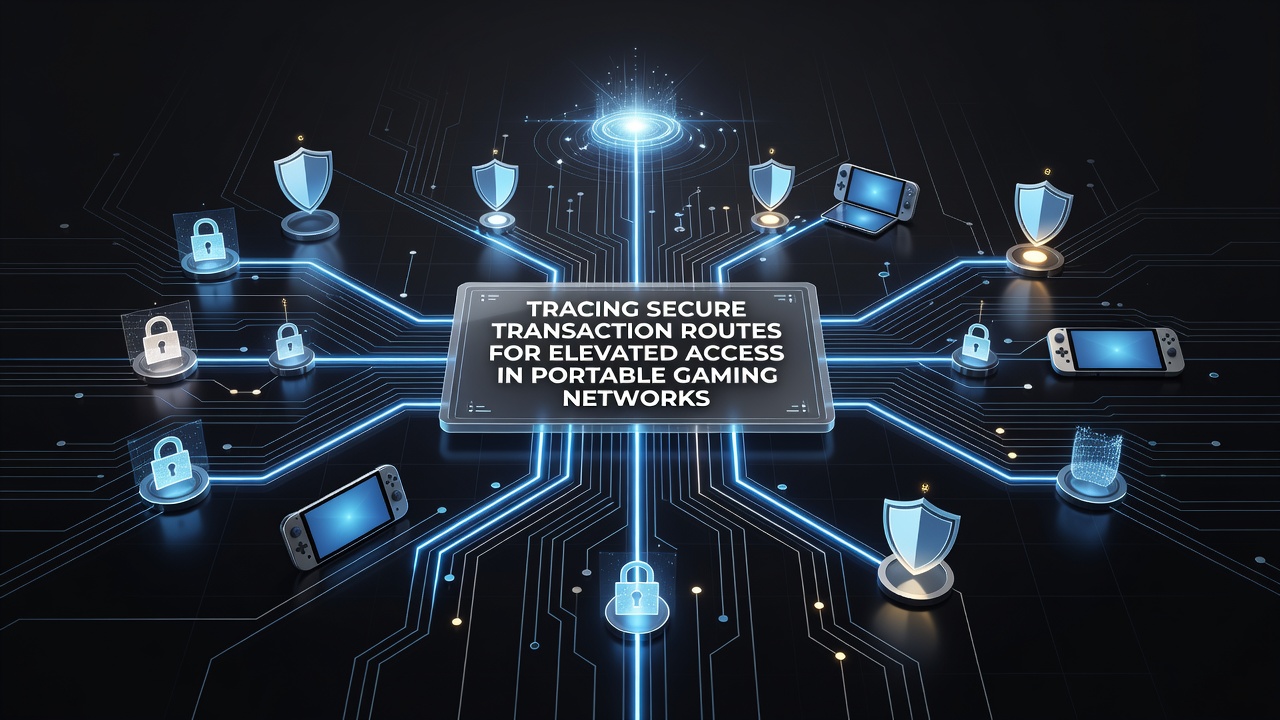
Tracing Secure Transaction Routes for Elevated Access in Portable Gaming Networks
Portable gaming networks rely on layered transaction systems that direct funds through encrypted channels before granting users elevated access tiers, and these routes incorporate multiple verification nodes to maintain integrity across wireless connections. Data packets travel via secure sockets layer protocols combined with tokenization methods that obscure account details while confirming eligibility for premium features in real time.
Core Components of Transaction Routing
Observers note that portable platforms integrate application programming interfaces from banking partners with internal gaming servers, which allows transaction requests to pass through compliance checkpoints before reaching reward allocation modules. These systems often employ geofencing alongside device fingerprinting to validate user locations and hardware signatures, and this dual verification reduces unauthorized elevation attempts in mobile environments.
Research from the Australian Communications and Media Authority highlights standardized encryption benchmarks adopted by regional operators in 2025, while similar frameworks appear in North American jurisdictions overseen by bodies like the Nevada Gaming Control Board. Transaction logs capture each hop through virtual private network tunnels and dedicated payment gateways, creating auditable trails that regulators review during compliance audits.
Pathway Mapping Techniques
Analysts map these routes using network visualization tools that trace data flows from mobile application interfaces to backend authorization servers, and the process reveals bottlenecks where latency spikes occur during peak usage periods in June 2026. Multi-factor authentication sequences trigger additional routing layers when users attempt to unlock higher status levels, which typically involve biometric checks routed through separate cloud security providers.
One documented approach involves splitting transaction data across parallel channels that reconverge at verification hubs, and this segmentation limits exposure if any single pathway encounters interference. Studies conducted by university research teams in Canada have quantified average routing times for elevated access requests, showing consistent sub-second processing when networks maintain optimal node distribution.

Security Protocols and Access Elevation
Elevated access requires successful navigation through sequential security gates that validate both financial and behavioral data patterns, and operators deploy machine learning models to flag anomalies during these traversals. Portable devices transmit session tokens that carry encrypted metadata about prior transaction history, enabling servers to determine qualification thresholds without exposing raw user information.
Industry reports indicate that blockchain-based ledgers supplement traditional databases in select networks, providing immutable records of route completion for elevated status grants. These distributed systems allow cross-platform verification when users migrate between different portable applications while preserving access continuity.
Regulatory and Technical Integration
Regulatory frameworks in multiple regions require operators to maintain detailed logs of transaction routing paths, and European Union directives emphasize transparency standards that differ from those in Asian markets. Technical teams implement redundant failover routes that activate automatically when primary pathways encounter disruptions, ensuring continuous access to elevated features during maintenance windows.
Figures from the National Council on Problem Gambling in the United States reveal increased scrutiny on transaction monitoring practices, particularly for mobile networks where rapid access changes occur. Integration with third-party identity verification services adds external checkpoints that further secure the elevation process without slowing legitimate user flows.
Conclusion
Tracing secure transaction routes remains essential for maintaining trust in portable gaming networks that offer elevated access options, and ongoing developments in encryption and monitoring continue to shape these pathways. Observers expect further refinements in routing efficiency as device capabilities advance and regulatory expectations evolve across jurisdictions.