Tracing Reward Pathways Through Multi-Device Blackjack Sessions Using Diverse Transaction Networks
Frankie Lang · Jul 18, 2026
Tracing Reward Pathways Through Multi-Device Blackjack Sessions Using Diverse Transaction Networks
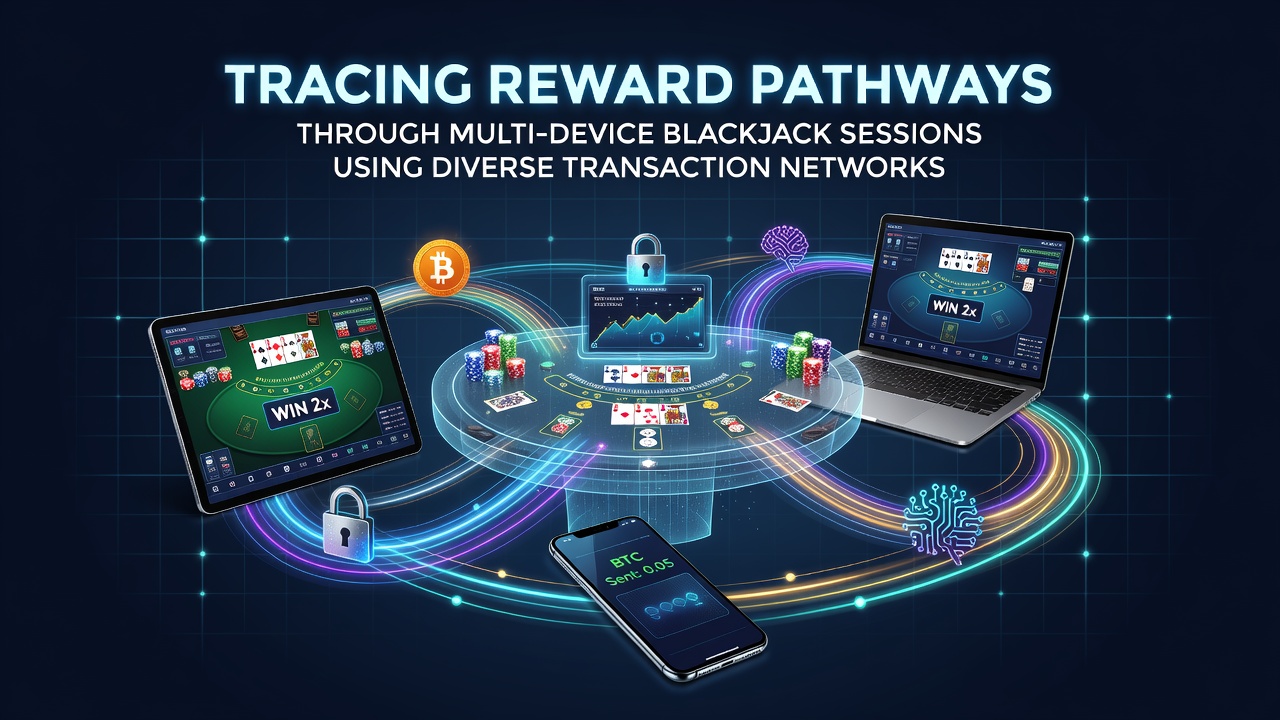
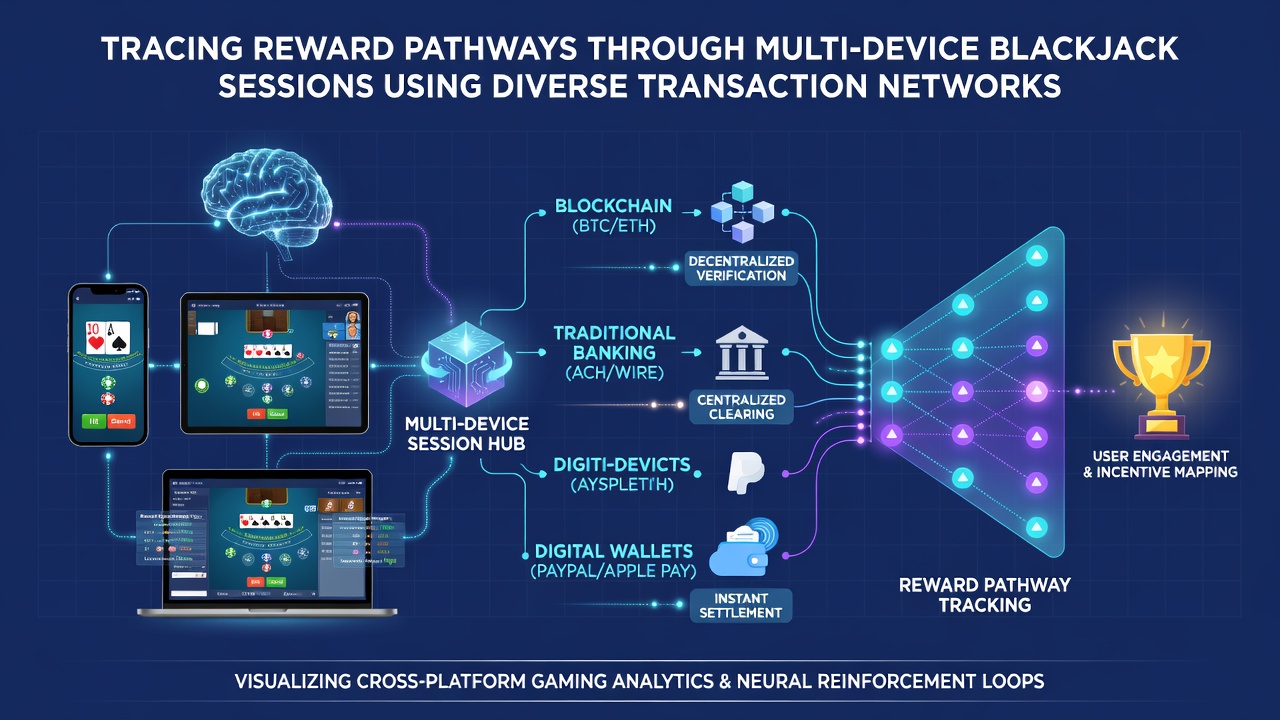
Reward pathways in online blackjack operate through integrated loyalty platforms that record player activity across sessions regardless of the access device. These systems accumulate points based on wager volume, game type, and session duration while linking every transaction to a central player profile. Multi-device access allows continuity because unique identifiers such as account credentials and device fingerprints maintain the connection between separate logins on phones, tablets, and computers. Transaction networks feed directly into these reward calculations. Credit card processing, e-wallet transfers, bank wires, and cryptocurrency deposits each carry metadata that platforms match to individual accounts. When a player switches devices mid-session, the system recognizes the ongoing play through the same wallet balance or account token, ensuring points accrue without interruption. Data synchronization occurs in real time, so a deposit made on a mobile app appears instantly on a desktop interface for continued blackjack rounds.Device Switching and Session Continuity
Blackjack platforms employ server-side tracking that stores game state and reward progress on centralized servers rather than local devices. This architecture permits seamless transitions because the player account serves as the single source of truth. Observers note that sessions started on a smartphone often resume on a laptop within seconds once authentication completes, with the reward balance reflecting all prior wagers from the same account.
Transaction diversity adds another layer. A deposit via one network may trigger bonus multipliers that apply across all devices, whereas another network might route funds through different verification steps that slightly alter point allocation timing. Platforms log these differences so analysts can later map how each payment method influences long-term reward velocity for individual players.
Transaction Network Integration Patterns
Multiple networks operate simultaneously within the same ecosystem. E-wallets typically provide faster confirmation and immediate reward eligibility, while traditional bank transfers involve longer settlement periods before points post. Cryptocurrency channels introduce additional variables such as blockchain confirmation times that platforms must reconcile with reward ledgers. Researchers have documented these variations in internal audits that compare deposit timestamps against point credit records.
In July 2026 several major platforms completed upgrades to their transaction reconciliation engines, enabling more precise attribution of rewards even when players alternate between high-latency and low-latency networks. These updates reduced discrepancies that previously appeared when sessions crossed device boundaries during peak hours.
Data Mapping and Analytical Tools
Analytical suites used by operators aggregate device logs, transaction hashes, and game outcomes into unified timelines. Each blackjack hand carries metadata that includes device type, network used for funding, and timestamp, allowing reconstruction of entire reward journeys. Reports from the Nevada Gaming Control Board indicate that such granular tracking supports regulatory compliance by verifying that rewards distribute according to documented play rather than arbitrary assignment.
Cross-referencing tools also help identify patterns across large player cohorts. For instance, analysts compare reward accumulation rates for players who favor e-wallet deposits versus those who use direct bank links, revealing consistent differences in point velocity tied to network processing speeds. The Alcohol and Gaming Commission of Ontario has referenced similar methodologies in its oversight of digital gaming platforms operating within provincial frameworks.
Security and Compliance Considerations
Secure tokenization protects transaction details while still permitting reward linkage. Each network generates a unique identifier that the platform maps to the player profile without exposing full financial data. This separation maintains audit trails required by regulators yet limits exposure during device switches. Multi-factor authentication further secures sessions when players move between networks and hardware, ensuring reward pathways remain intact and attributable.
Conclusion
Tracing reward pathways through multi-device blackjack sessions requires coordinated systems that align device activity with diverse transaction networks. Centralized player profiles, real-time synchronization, and detailed metadata logging form the backbone of these processes. Updates completed in July 2026 improved precision across platforms, while regulatory references from bodies such as the Nevada Gaming Control Board and the Alcohol and Gaming Commission of Ontario confirm ongoing attention to accurate attribution. These mechanisms allow operators to maintain consistent reward delivery regardless of how players access sessions or fund accounts.