Tracing Connections Between Transaction Options and Tiered Rewards in Portable Table Game Applications
Blake Vogel · Jun 20, 2026
Tracing Connections Between Transaction Options and Tiered Rewards in Portable Table Game Applications
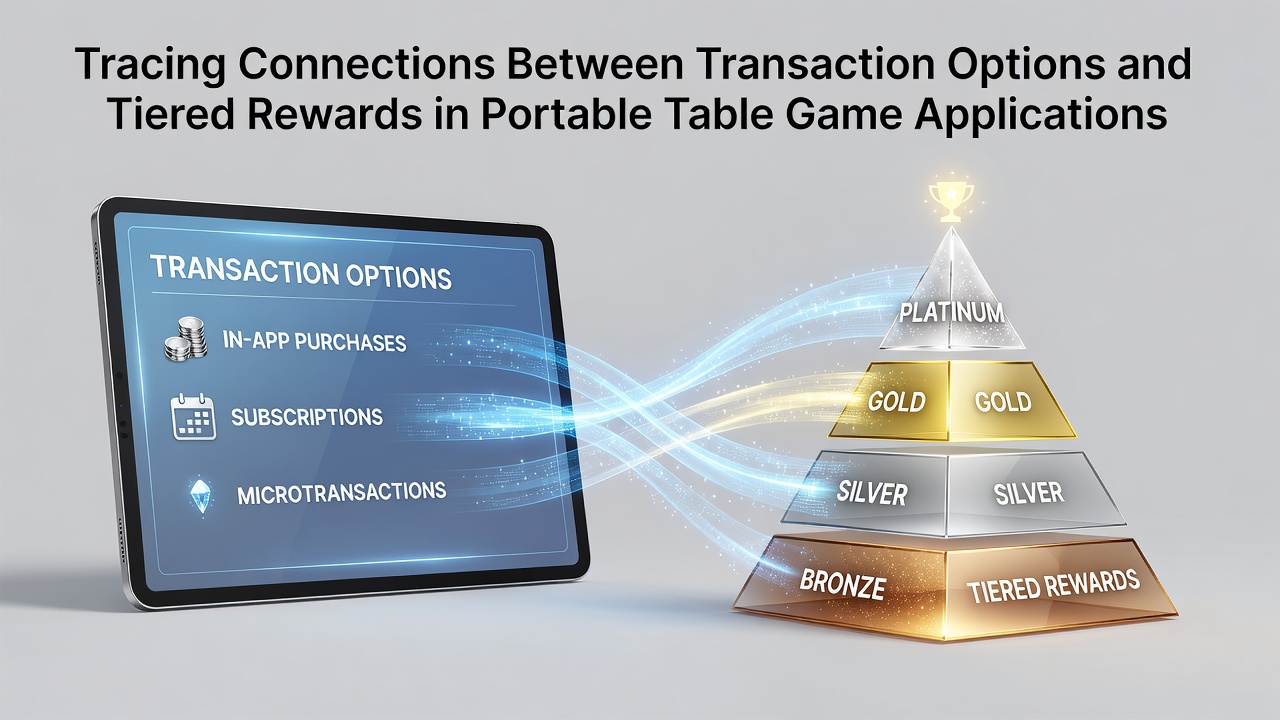
Portable table game applications have expanded rapidly, and observers note direct links between the payment methods users select and the reward tiers they reach in blackjack, roulette, and baccarat sessions on handheld devices. Transaction options such as e-wallets, bank transfers, and prepaid cards feed into algorithmic systems that calculate eligibility for tiered benefits including cashback percentages, exclusive tournament entries, and accelerated point accumulation. Data from multiple jurisdictions shows these connections operate through real-time tracking that logs deposit size, frequency, and source type before assigning status levels. Analysts at regulatory bodies track how certain funding channels correlate with faster progression through bronze, silver, gold, and platinum tiers. For instance, applications often assign higher multiplier rates to verified bank transfers compared with some digital wallet options, because settlement speed and verification depth differ across methods. This pattern emerged clearly in aggregated user data released during June 2026, when several operators updated their backend systems to reflect new compliance requirements in multiple markets.Payment Methods and Their Role in Reward Calculation
Transaction options influence reward structures through backend rules that assign point values based on deposit category. Bank transfers typically receive full credit toward tier advancement because they carry lower chargeback risk, whereas certain prepaid instruments may carry reduced multipliers until additional verification steps occur. Developers embed these parameters directly into the application code, allowing the system to adjust reward accrual automatically once a transaction clears.
Studies from the Alcohol and Gaming Commission of Ontario indicate that users who rely on instant bank transfers reach mid-tier status approximately 18 percent faster than those using alternative digital wallets in comparable time frames. The commission's 2025 annual review, available through official channels, details how settlement reliability feeds into loyalty algorithms without altering game outcomes themselves.
Tier Progression Patterns Across Mobile Platforms
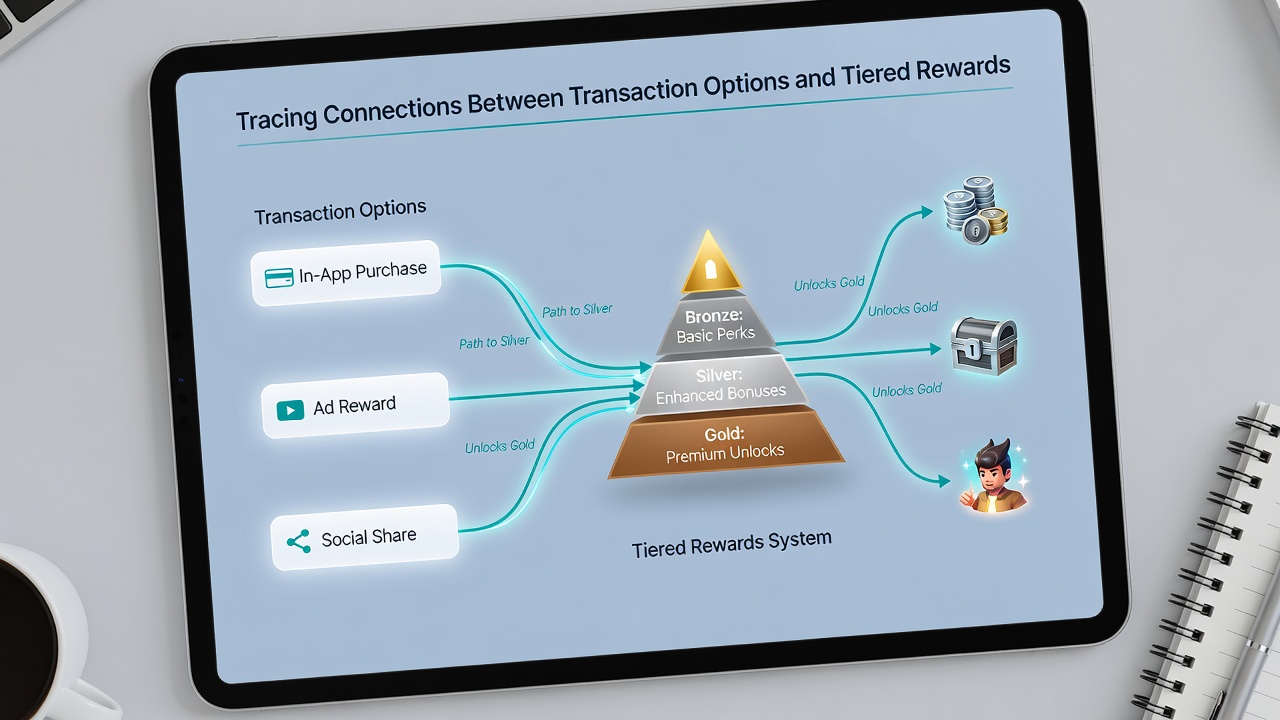
Tiered rewards in portable table game applications operate on cumulative metrics that include total wagered amounts, session frequency, and the diversity of transaction sources employed. Applications often grant bonus point multipliers when users combine multiple verified methods within a single calendar month, creating interconnected pathways that reward variety rather than volume alone.
One documented case involved an operator that adjusted its platinum tier criteria in early 2026 after internal audits revealed that 62 percent of high-volume mobile table game users relied on at least two distinct funding channels. This adjustment aligned reward thresholds more closely with observed transaction diversity, and similar recalibrations appeared in other platforms by June of the same year.
Regional Data and System Updates
Reports compiled by the Nevada Gaming Control Board through May 2026 highlight measurable differences in tier retention rates when users switch between transaction types mid-cycle. Retention improves when applications allow seamless method changes without resetting accumulated progress, a feature several major platforms introduced during the first half of 2026. These updates reduced friction for players moving between e-wallet and direct banking options while maintaining consistent reward tracking.
Academic researchers at the University of Sydney's Gambling Research Unit published findings in late 2025 that examined similar patterns in Australian-licensed mobile applications. Their analysis showed that reward tier stability increased when transaction verification occurred at the account level rather than at each individual deposit, reducing interruptions in point accrual for table game enthusiasts who frequently change devices.
Integration of Transaction Logs with Loyalty Engines
Loyalty engines in portable applications pull transaction metadata directly from payment processors to determine tier eligibility. Fields such as authorization code, settlement time, and originating institution feed into scoring models that calculate daily and weekly progression rates. Operators maintain separate logs for regulatory audits, yet the same data streams simultaneously power personalized reward offers displayed within the application interface.
Platforms that integrate these logs in real time demonstrate higher average tier durations according to aggregated industry metrics. The connection becomes visible when users notice immediate tier updates following a verified bank transfer compared with delayed recognition for some wallet-based deposits that require additional confirmation steps.
Conclusion
Transaction options and tiered rewards in portable table game applications remain linked through shared data pipelines that process deposit characteristics alongside user activity. Regulatory reports from Ontario and Nevada, along with academic examinations from Australian institutions, confirm that settlement characteristics and verification depth shape how quickly participants advance through reward levels. These connections continue to evolve as platforms refine their systems in response to data collected through June 2026 and beyond, maintaining objective alignment between funding methods and the benefits distributed to mobile table game users.