How E-Wallet Transactions Facilitate Entry into Exclusive Slot Tournament Circuits on Handheld Devices
Sage Schmitz · May 27, 2026
How E-Wallet Transactions Facilitate Entry into Exclusive Slot Tournament Circuits on Handheld Devices
The Growth of Mobile Slot Tournaments
Slot tournament circuits have expanded rapidly on handheld devices as operators integrate digital payment systems that support instant entry, and this shift has coincided with broader adoption of mobile gaming platforms across multiple jurisdictions through 2026. Data from industry tracking shows that mobile devices now account for the majority of tournament participation in regulated markets, while e-wallet solutions streamline the process of funding accounts and paying entry fees without traditional banking delays.
Exclusive circuits often limit participation to verified players who complete deposits through approved channels, and e-wallets meet those requirements by providing transaction records that satisfy regulatory verification standards. Players access these events directly from smartphone or tablet applications, where integrated payment modules reduce the steps between registration and game start.
Mechanics of E-Wallet Integration
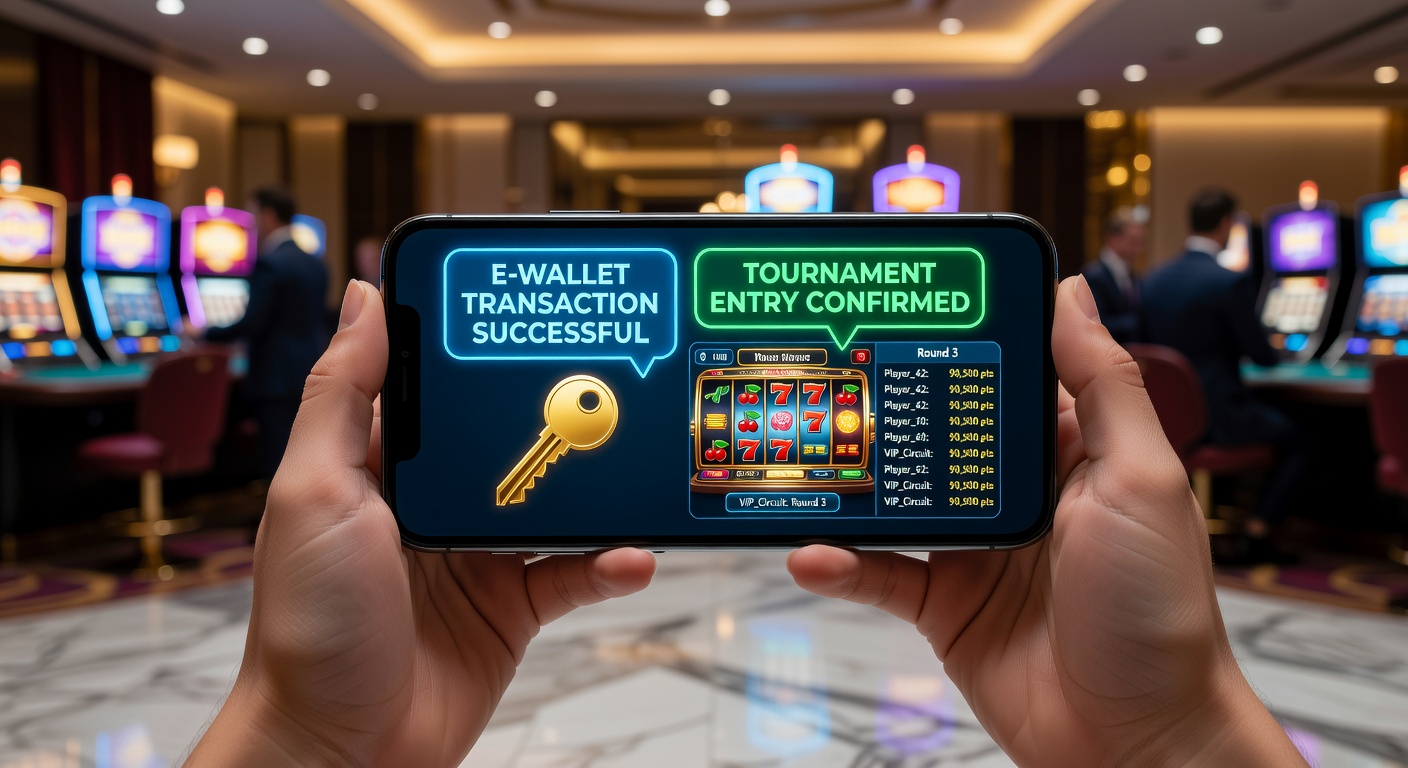
E-wallets function as intermediaries that link bank accounts or cards to gaming platforms, enabling transfers that complete in seconds rather than hours or days. On handheld devices, applications from major providers embed these services so users authorize payments through biometric confirmation or PIN entry, and tournament software detects successful transactions immediately to unlock entry. This setup supports high-volume circuits where hundreds of participants join simultaneously during scheduled windows.
Operators configure tournament software to accept specific e-wallet providers that comply with local licensing rules, and this selective integration ensures that entry fees reach the prize pool without intermediary holds. Research from gaming technology firms indicates that platforms using e-wallet APIs report fewer abandoned entries compared to those relying solely on card processing.
Access to Exclusive Circuits
Exclusive slot tournament circuits operate on invitation or qualification systems that require demonstrated account activity, and e-wallet transactions create auditable trails that help operators confirm eligibility quickly. Handheld devices amplify this advantage because players can complete qualification deposits while traveling or during short breaks, maintaining momentum in ongoing leaderboards.
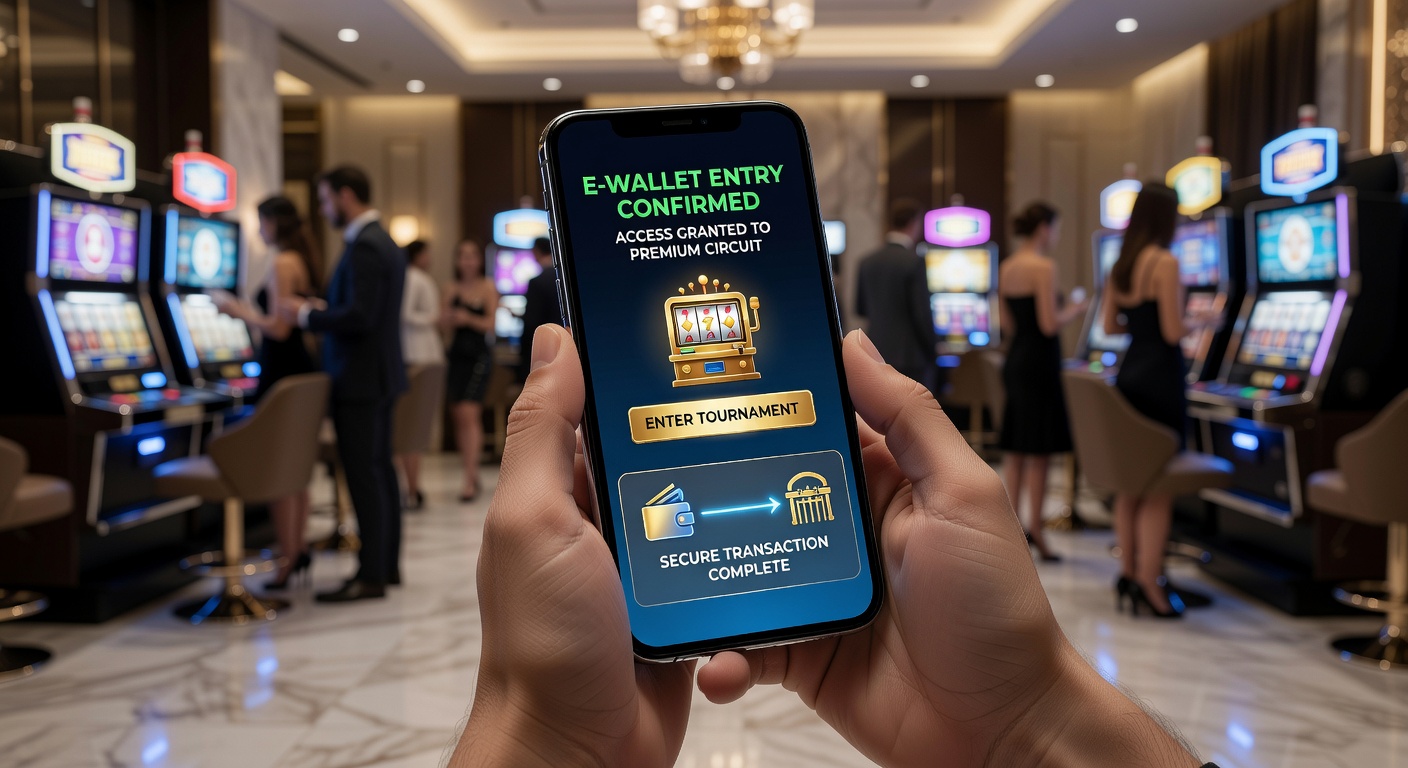
According to figures compiled by the American Gaming Association, mobile tournament entries in participating U.S. states increased steadily into 2026 as payment options diversified. Similar patterns appear in Canadian provincial data, where regulators track digital wallet usage separately from other methods. These records show that circuits restricted to e-wallet users often feature higher average prize pools because transaction fees remain lower and funds settle faster.
Players in regions such as Australia and parts of Europe encounter comparable systems where approved digital wallets serve as gateways to premium events. The result is a layered tournament structure in which standard open-entry events coexist with invite-only brackets funded through verified digital channels.
Security Protocols and Regulatory Compliance
Security features built into e-wallet applications include encryption layers and multi-factor authentication that align with gaming commission requirements in multiple jurisdictions. Handheld device operating systems add device-level protections such as secure enclaves, and operators leverage these combined safeguards to reduce fraud risks during tournament registration periods. Regulatory bodies in Nevada and Ontario publish compliance guidelines that explicitly address digital wallet standards for real-time gaming transactions.
Tournament platforms maintain separate ledgers for e-wallet inflows to facilitate audits, and this separation supports the rapid resolution of any discrepancies before prize distribution. Observers note that the combination of wallet-level and device-level security has contributed to sustained growth in mobile tournament participation through May 2026 without corresponding rises in reported disputes.
Operational Advantages on Handheld Platforms
Handheld devices allow continuous connectivity that e-wallet services exploit through push notifications and background transaction monitoring. When a tournament opens, registered players receive alerts and can complete entry payments without switching applications, preserving session continuity. This workflow proves especially useful in circuits that run multiple daily heats across different time zones.
Industry reports from research institutions highlight that transaction success rates exceed 95 percent when e-wallets operate within optimized mobile environments, compared with lower figures for legacy payment methods. Operators therefore prioritize mobile-first design for exclusive events to maximize participation and minimize support tickets related to funding issues.
Conclusion
E-wallet transactions have become integral to the structure of exclusive slot tournament circuits on handheld devices by enabling fast, verifiable entries that meet both operational and regulatory demands. The combination of instant settlement, embedded security, and broad device compatibility continues to shape how these events scale in regulated markets as of May 2026. Future developments will likely build on these foundations as additional jurisdictions adopt frameworks that recognize digital wallets as standard components of mobile gaming infrastructure.