Exploring Intersections of Promotional Mechanics and Strategy Adaptation in Multiplayer Table Simulations
Zara Butler · Jun 29, 2026

Exploring Intersections of Promotional Mechanics and Strategy Adaptation in Multiplayer Table Simulations
Multiplayer table simulations have grown into complex digital environments where promotional mechanics shape how participants adjust their approaches during live sessions, and data from industry reports shows these intersections drive measurable shifts in play patterns across platforms in 2026. Players encounter layered incentives such as deposit matches, loyalty points tied to hand volume, and tournament entry bonuses that directly influence bankroll management decisions in games like simulated poker and blackjack.
Core Promotional Mechanics in Simulated Table Environments
Promotional structures in these simulations typically combine time-limited multipliers with volume-based rewards, and researchers at academic institutions tracking virtual gaming ecosystems have documented how these elements create feedback loops that encourage prolonged engagement while altering optimal decision thresholds. For instance, a match bonus applied to initial deposits expands effective starting stacks, which in turn permits deviations from strict probability-based choices during early rounds of multiplayer blackjack simulations.
Observers note that loyalty tiers often unlock reduced rake in poker-style tables or accelerated point accrual during peak hours, and this setup rewards consistent participation rather than isolated high-stakes moves. Data compiled through June 2026 indicates that platforms integrating such mechanics report higher retention rates when promotions align with session length goals rather than single-hand outcomes.
Strategy Adaptation Patterns Across Game Variants
Adaptation occurs when participants recalibrate basic strategies to account for promotional overlays, and studies from research institutions reveal that players in simulated roulette and baccarat tables frequently extend betting sequences when free spin equivalents or cashback mechanisms reduce effective loss exposure. In multiplayer poker simulations, the presence of satellite tournament tickets tied to cash game volume prompts shifts toward tighter ranges during qualifying periods, since the external reward value outweighs short-term variance risks.
Those who've examined session logs find that participants adjust aggression levels upward in late-stage hands once promotional milestones near completion, while they tighten play immediately after unlocking tier benefits to preserve accumulated advantages. This dynamic creates a layered decision matrix where standard probability calculations merge with external incentive valuations.
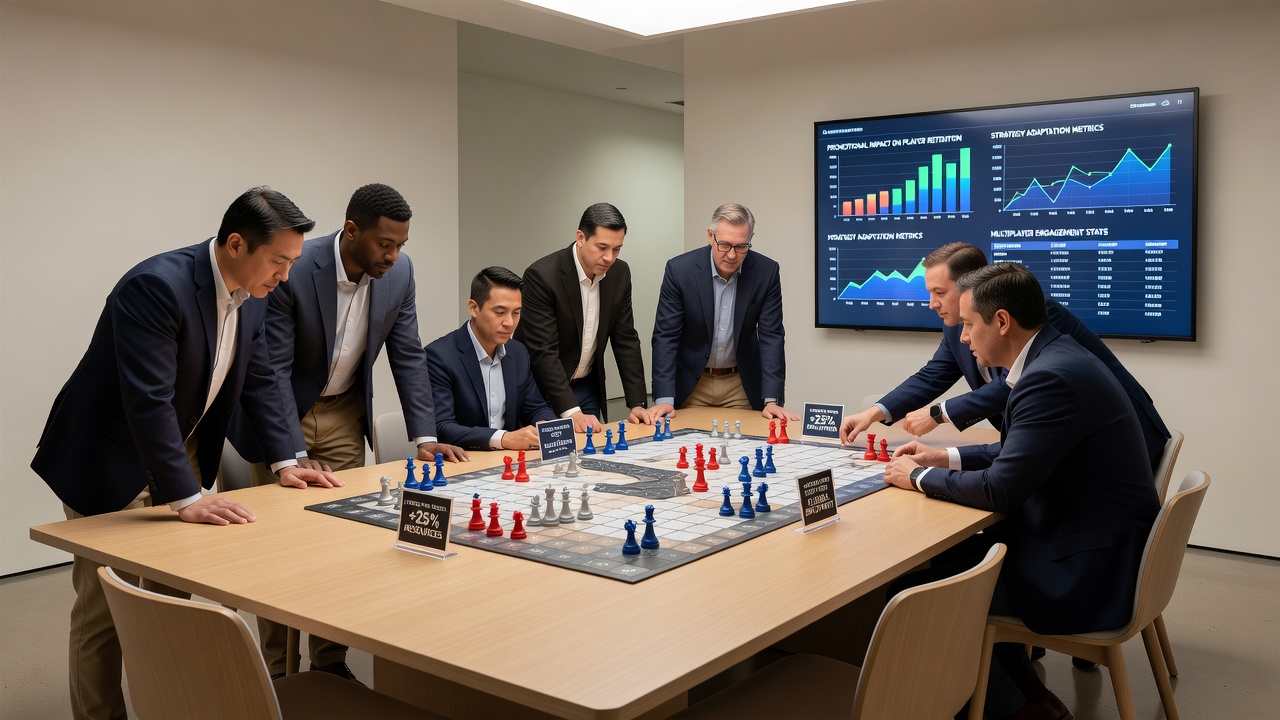
Documented Intersections and Platform Responses
Platform operators respond to these intersections by refining algorithmic difficulty curves and reward pacing, and figures from the Ontario Lottery and Gaming Corporation reveal that table simulation products incorporating adaptive promotional triggers maintain steadier player distribution across skill brackets. When bonuses scale with table stakes, participants migrate toward mid-tier games where promotional uplift provides the greatest relative edge without excessive risk concentration.
Turns out that in June 2026 updates, several major simulation providers introduced modular promotion engines that allow real-time adjustment of reward triggers based on aggregate player behavior data, and this approach helps stabilize strategy adaptation rates across different regional user bases. Academic analyses of these systems highlight how the intersection points often cluster around milestone thresholds rather than continuous play metrics.
Regional Data and Regulatory Context
Regulatory bodies in varied jurisdictions track these mechanics through mandatory reporting, and information released by the Massachusetts Gaming Commission shows that simulation-based table offerings with integrated promotions contribute distinct revenue streams compared to standalone virtual tables. Australian research papers examining digital gaming ecosystems further indicate that strategy adaptation becomes more pronounced when promotional terms include cross-game portability, allowing points earned in one simulation to influence eligibility in another.
What's significant is that these patterns hold across both free-to-play and real-money variants, with observers documenting consistent behavioral adjustments once promotional value exceeds a threshold relative to base stakes. The intersections therefore function as catalysts that accelerate the evolution of participant tactics within constrained digital rule sets.
Conclusion
Multiplayer table simulations continue to evolve at the points where promotional design meets strategic response, and evidence from multiple regulatory and academic sources confirms these intersections produce measurable, trackable changes in player conduct through June 2026 and beyond. Continued monitoring by industry groups and research entities will clarify how future mechanical refinements influence adaptation cycles across global platforms.