Evolving Cross-Border Laws Reshape Digital Table Game Options for Regional Participants
Blake Vogel · Aug 12, 2026
Evolving Cross-Border Laws Reshape Digital Table Game Options for Regional Participants
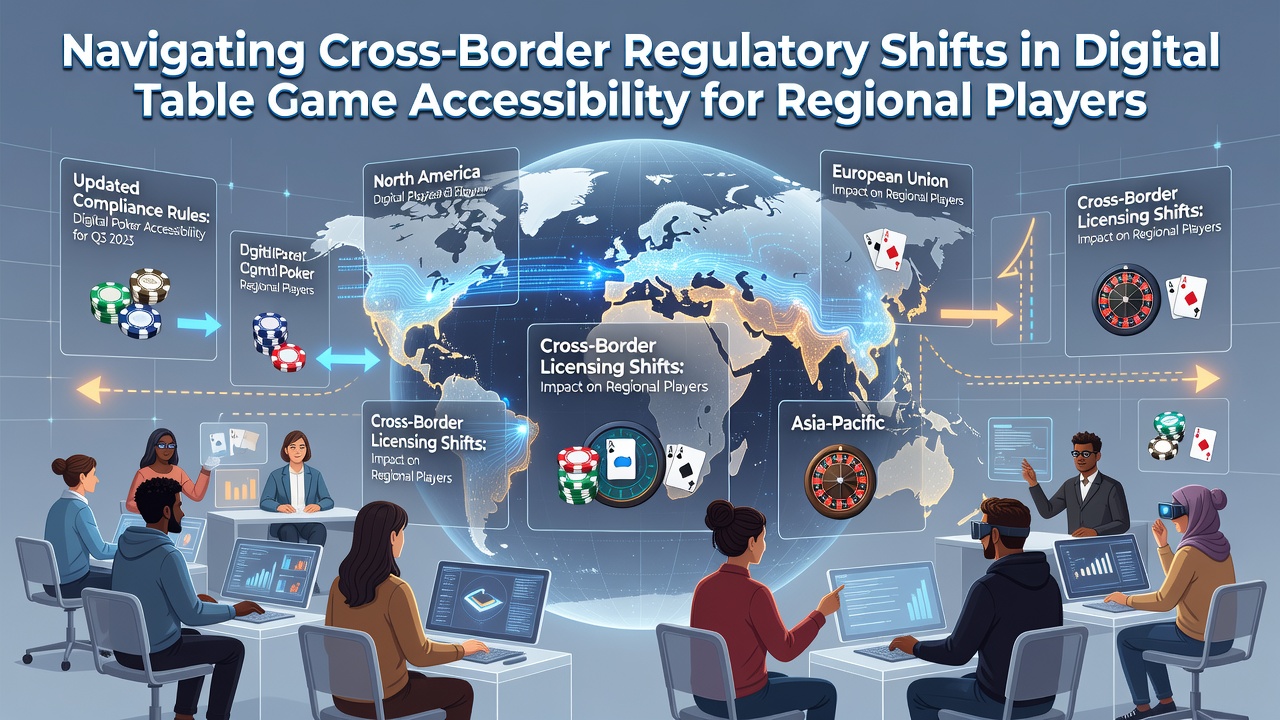
Regulatory frameworks governing digital table games continue to shift as jurisdictions adjust licensing requirements and player access rules, and these changes directly influence how regional participants reach online blackjack, roulette, and poker variants. Data from industry monitoring services shows that several European and North American markets implemented new verification protocols in early 2026, while additional updates scheduled for August 2026 target cross-border data sharing between licensing bodies.
Current Regulatory Landscape Across Key Markets
Multiple regions now require operators to maintain separate licensing for each jurisdiction even when the same platform serves players from different areas, and this separation creates distinct accessibility pathways. Figures released by the European Commission indicate that digital table game traffic from restricted zones dropped by 18 percent in the first half of 2026 following stricter geo-fencing enforcement. Meanwhile, Canadian provincial regulators introduced mandatory player location checks that integrate with federal banking rules, resulting in altered deposit flows for users near provincial borders.
Observers note that Australia’s state-level agreements with overseas gaming authorities have begun to limit certain table game variants for residents who previously accessed international servers without interruption. These agreements focus on responsible gambling data exchange rather than outright prohibition, yet the practical effect restricts which game types load for verified Australian IP addresses.
Technical Adjustments Operators Implement
Platform providers respond by deploying region-specific game libraries that activate only after compliance checks complete, and these libraries often exclude progressive jackpot table games or limit bet ranges to match local caps. Research compiled by the International Association of Gaming Regulators reveals that 67 percent of surveyed operators added automated compliance layers in 2025, with most updates focused on real-time address verification and device fingerprinting.
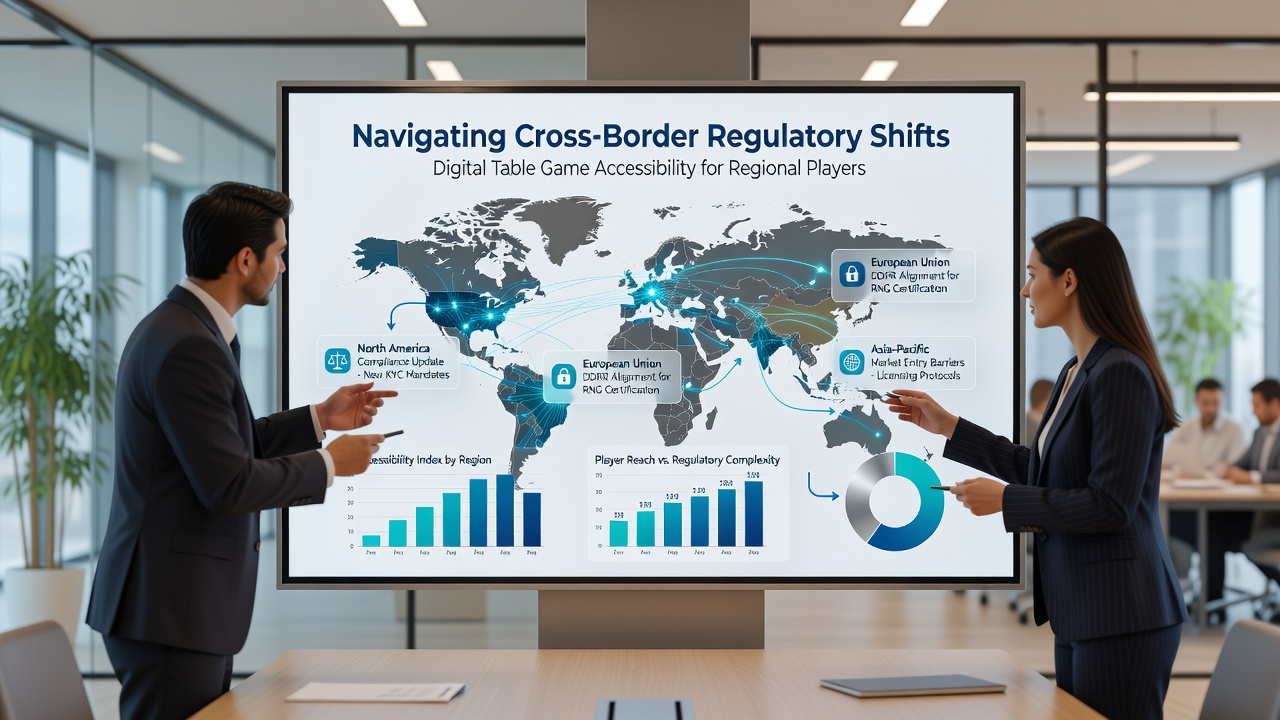
Payment processors also adapt their routing systems so funds move only through channels approved by the player’s home jurisdiction, and this routing frequently routes transactions through domestic gateways before any international table game session begins. One study from the University of Nevada Gaming Research Center found that transaction approval times increased by an average of 4.2 seconds per deposit under these new routing requirements.
Player Experience and Verification Processes
Regional participants encounter multi-step verification sequences that combine government ID uploads with utility bill confirmation and sometimes facial recognition matches, and each step must clear before table game lobbies become visible. Data collected by the North American Association of State and Provincial Lotteries shows that 42 percent of attempted logins from cross-border users failed initial checks during the first quarter of 2026, though most resolved after one additional document submission.
August 2026 brings further changes as several jurisdictions plan synchronized updates to their shared blacklists of unlicensed operators, and these updates will automatically block access attempts from regional networks that previously bypassed restrictions through VPN detection upgrades. Industry reports indicate that operators have already begun testing preemptive blocks to avoid penalties once the new lists activate.
Regional Case Examples
In one documented instance, players in border communities between two Canadian provinces experienced temporary loss of access to multi-hand digital blackjack after one province updated its location rules while the neighboring province had not yet aligned its system. The mismatch lasted eleven days until both systems synchronized their verification databases. Similar coordination gaps appear in parts of the European Union where member states maintain independent licensing despite shared digital single market goals.
Another example involves Australian residents who previously joined international tournaments featuring live dealer table games; new data-sharing agreements now require tournament organizers to exclude participants whose accounts originate from states that have not ratified the latest responsible gambling protocols.
Conclusion
Cross-border regulatory adjustments continue to define which digital table games remain reachable for regional players, and the pace of these adjustments shows no sign of slowing through the remainder of 2026. Operators and licensing bodies maintain ongoing coordination efforts that focus on verification accuracy and transaction routing compliance, while participants adapt to more layered access procedures that reflect each jurisdiction’s current requirements.