Electronic Transfers and Their Role in Accelerating Mobile Casino Reward Tier Advances
Frankie Lang · Aug 19, 2026
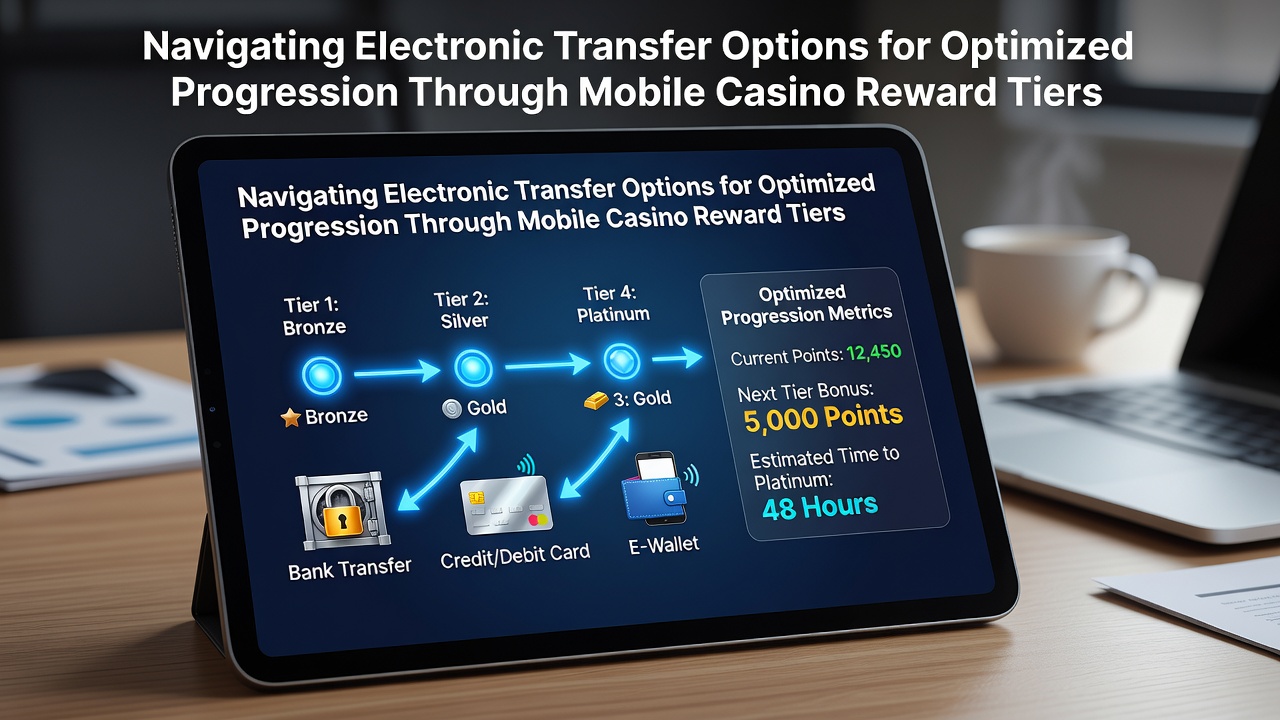
Electronic Transfers and Their Role in Accelerating Mobile Casino Reward Tier Advances
Players navigate electronic transfer options in mobile casino environments to move through reward tiers at different speeds, and data from industry reports in August 2026 shows how payment method selection influences deposit speed, bonus eligibility, and overall progression rates. Electronic transfers encompass bank wires, e-wallet services, and instant funding solutions that connect directly to handheld devices, allowing users to fund accounts without physical locations or delays common in traditional banking channels.
Payment Method Categories and Their Technical Integration
Bank transfers via ACH networks or wire services provide secure routes for larger sums yet often require 24 to 72 hours for clearance, whereas e-wallets such as PayPal, Skrill, and Neteller complete transactions in seconds and integrate with mobile apps through API connections that update account balances immediately. Cryptocurrency options including Bitcoin and Ethereum have gained traction in several jurisdictions because blockchain confirmations occur within minutes, and operators in regulated markets track these inflows to credit reward points without the intermediary fees associated with card processors.
Those who study mobile gaming ecosystems note that tier advancement formulas typically award points based on wager volume and deposit frequency, so methods that enable repeated small transfers can accelerate qualification for higher levels when combined with consistent play patterns. Mobile platforms enforce verification steps for each transfer type, and compliance with regional rules from bodies like the Nevada Gaming Control Board ensures that reward tracking systems log every transaction accurately before points post to player profiles.
Impact on Reward Tier Qualification Timelines
Instant funding options shorten the window between deposit and eligible wagering, which matters because many loyalty programs calculate monthly activity periods that reset at calendar boundaries. A player using e-wallet transfers can complete multiple deposits within a single session and accumulate the required points faster than someone relying on slower bank routes that clear after the activity window closes. Research from gaming analytics firms indicates that e-wallet users in mobile environments reach silver and gold tiers an average of 18 days earlier than those limited to traditional wires during comparable play volumes.
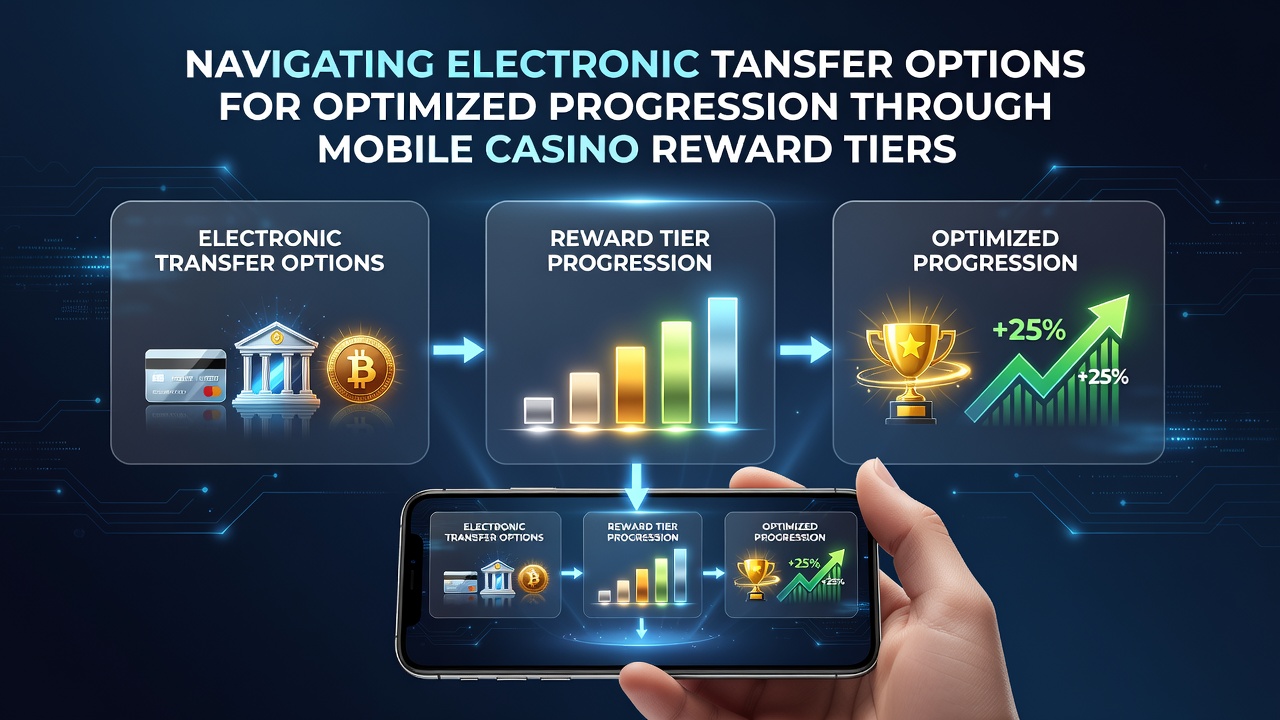
Operators adjust bonus structures according to funding source in certain markets, and some programs grant extra points for cryptocurrency deposits because they reduce processing costs. Observers note that these incentives appear more frequently in jurisdictions overseen by the Malta Gaming Authority and the Australian Communications and Media Authority, where regulatory frameworks permit varied reward mechanics tied to transaction efficiency.
Security Protocols and Verification Requirements
Every electronic transfer undergoes multi-factor authentication on mobile devices, and casinos apply additional checks such as device fingerprinting and IP verification to prevent fraud that could disrupt reward point accuracy. When a transfer triggers a security flag, teh system places a temporary hold on point accrual until manual review completes, which can delay tier progression by several days. Industry organizations including the European Gaming and Betting Association publish guidelines that operators follow to balance security with seamless user experiences across handheld platforms.
Data compiled by academic researchers at the University of Nevada, Las Vegas demonstrates that verified e-wallet accounts experience fewer holds than new bank transfer setups, allowing consistent play that feeds directly into tier calculations without interruption. Mobile apps often display real-time status updates for each transfer, and players receive notifications when points post or when verification steps remain pending.
Regional Variations in Transfer Acceptance
North American markets show higher adoption of e-wallets for mobile casino funding compared with parts of Asia where local bank apps dominate due to regulatory preferences. Canadian provincial regulators permit a broader range of digital wallets than some U.S. states, which results in faster average progression times for players in those provinces according to aggregated transaction data. European operators linked to the Malta Gaming Authority commonly accept cryptocurrency alongside traditional methods, creating more pathways for users to maintain momentum through reward levels without geographic restrictions on funding sources.
Transaction fees also vary by region and method, and although operators rarely absorb all costs, lower-fee options preserve more funds for wagering that counts toward tier advancement. Reports released in August 2026 highlighted that fee transparency features within mobile apps help users select the most efficient route for their specific progression goals.
Conclusion
Electronic transfer selection shapes how quickly players advance through mobile casino reward tiers because each method carries distinct timing, fee, and verification characteristics that interact with loyalty program rules. Operators continue to expand supported options as technology evolves, and regulatory bodies across multiple continents maintain oversight to ensure accurate tracking of both funds and earned rewards. Those who examine transaction patterns observe that informed choices regarding payment routes align deposit activity with tier qualification windows more effectively than random selection of funding methods.