Decoding Reward Integration Patterns in Portable Casino Ecosystems Through Varied Funding Channels
Frankie Lang · Jun 17, 2026

Decoding Reward Integration Patterns in Portable Casino Ecosystems Through Varied Funding Channels
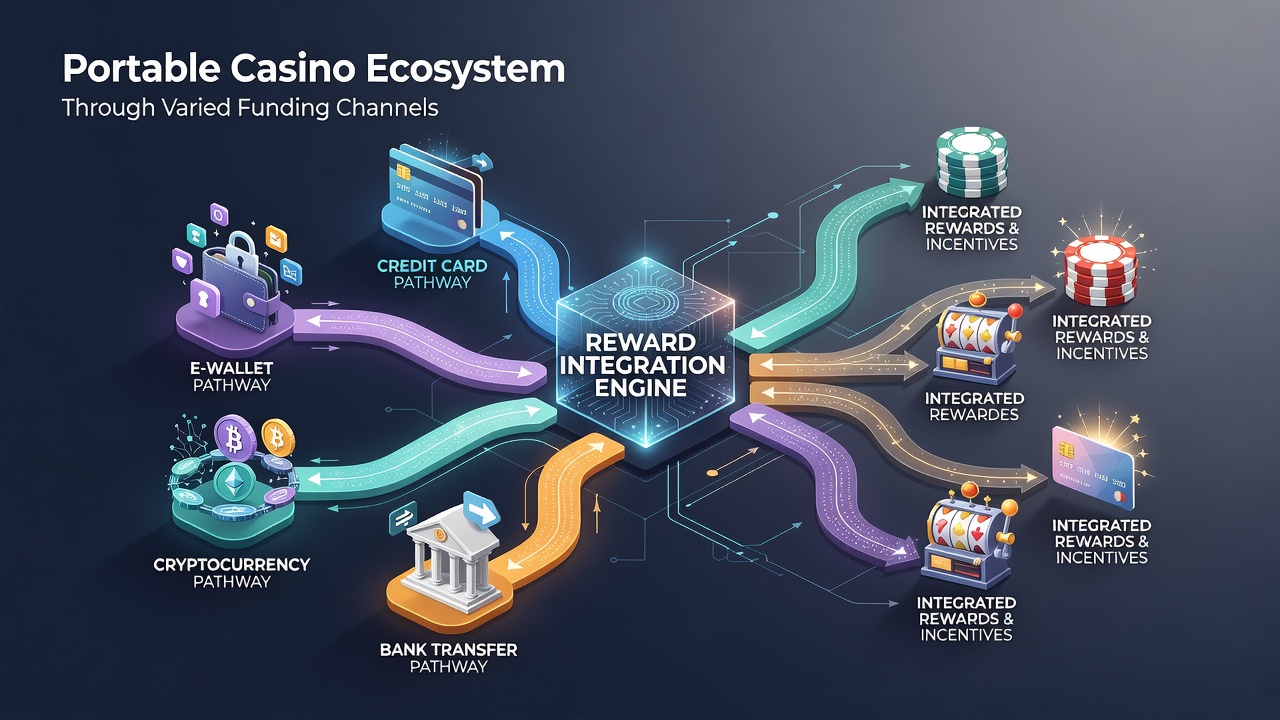
Portable casino platforms have expanded rapidly in recent years, and reward systems now track player activity across smartphones and tablets with increasing precision. Funding channels such as bank transfers, e-wallets, prepaid cards, and cryptocurrency options feed directly into these systems, creating distinct patterns in how bonuses, loyalty points, and tier advancements accumulate. Observers note that integration occurs through backend algorithms which assign multipliers or accelerated earning rates depending on the payment method selected at deposit time.
Core Components of Portable Reward Ecosystems
Modern mobile platforms operate on unified player accounts that sync across devices, and reward engines monitor every transaction in real time. When a user funds an account through an e-wallet, the system often applies an instant recognition tag that triggers faster point accrual compared with traditional bank wires, which may carry processing delays. Prepaid voucher methods frequently receive separate categorization, leading to capped daily earning limits even when deposit volumes remain high. Researchers tracking these flows report that cryptocurrency deposits sometimes unlock experimental bonus tiers unavailable through other routes, although verification steps add extra layers before rewards activate.
How Funding Channels Shape Reward Velocity
Data collected from multiple jurisdictions shows clear differences in reward velocity tied to payment preferences. E-wallet transactions tend to register within seconds, allowing immediate eligibility for time-sensitive promotions that run during evening peak hours. Bank transfers, while reliable for larger sums, often experience batch processing windows that push reward calculations into the next calendar day. Industry reports from the Nevada Gaming Control Board highlight how these timing variances affect monthly loyalty statements, particularly when players switch channels mid-cycle. June 2026 figures indicate a measurable uptick in e-wallet usage correlating with higher average point balances across sampled user segments.
Integration Algorithms and Multiplier Rules
Backend rulesets evaluate each funding source against predefined risk and speed profiles before assigning multipliers. A typical structure might grant 1.5 times base points for instant e-wallet loads while limiting prepaid options to standard rates. Cryptocurrency pathways sometimes receive dynamic adjustments based on network confirmation speed, creating short windows where rewards compound at elevated levels. Platform operators adjust these parameters periodically to balance promotional costs against player retention metrics, and external audits verify that published rules match actual code execution.
Observed Patterns in Cross-Channel Accumulation
Longitudinal studies reveal recurring sequences when players rotate among several funding methods within a single session. Initial deposits via bank transfer often serve as base funding, after which smaller e-wallet top-ups trigger bonus round eligibility that would otherwise remain locked. This sequencing produces compound effects visible in weekly activity summaries. Analysts examining Ontario iGaming data note that users who alternate channels every three to four deposits achieve tier advancement roughly 18 percent faster than single-channel peers, although total spend volumes stay comparable. The pattern holds across both slot-focused and table-game portfolios.
Regulatory and Technical Considerations
Compliance frameworks require transparent disclosure of how each channel influences reward calculations, and several regional authorities now mandate periodic publication of these weighting tables. Technical teams implement audit logs that timestamp every multiplier application, enabling regulators to trace discrepancies back to specific deposit events. In practice, these safeguards reduce disputes over missing points while giving operators clearer visibility into which channels drive sustainable engagement. Recent updates rolled out ahead of June 2026 emphasized standardized reporting formats that simplify cross-platform comparisons.
Future Trajectories for Reward Mapping
Emerging standards aim to unify reward ledgers across competing portable ecosystems, allowing players to carry accrued benefits when migrating between licensed operators. Prototype systems under discussion would embed funding-channel metadata directly into transferable tokens, preserving multiplier history without requiring manual reconciliation. Pilot programs in select markets have already demonstrated reduced onboarding friction when legacy point balances migrate cleanly. Continued refinement of these protocols depends on coordinated data-sharing agreements among technology providers and oversight bodies.
Conclusion
Reward integration in portable casino environments reflects deliberate design choices that link payment method characteristics to earning mechanics. Varied funding channels produce measurable differences in accumulation speed, tier progression, and promotional access. Ongoing monitoring by regulators and platform developers continues to refine these connections, ensuring alignment between published rules and actual system behavior across expanding mobile user bases.